NaturalGenerated with AI2 min read
Pyrite
FeS2
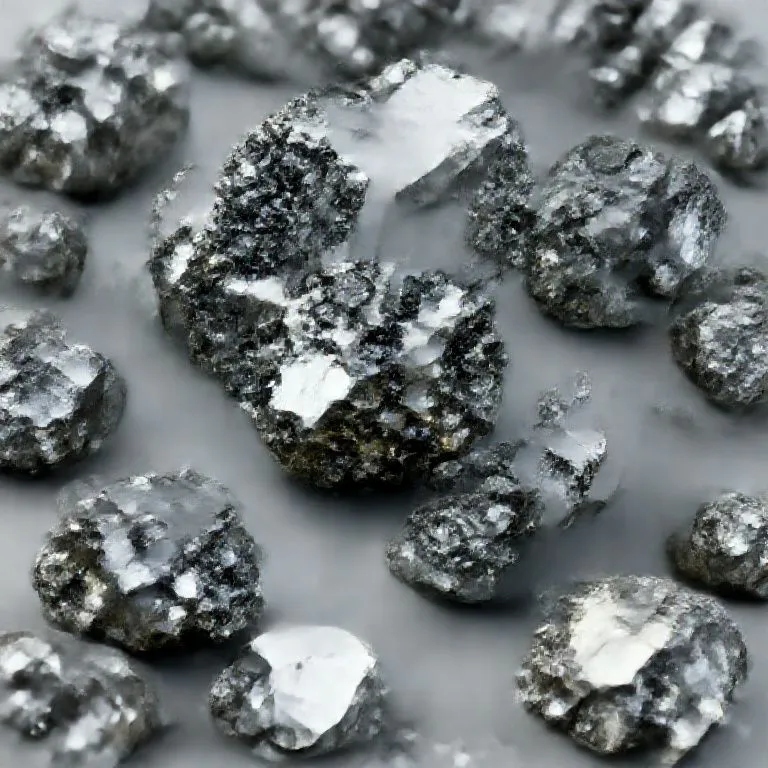
Pyrite is an iron sulfide mineral with a bright metallic luster, often called “fool’s gold” because of its yellow sheen.
Description of what it is like
Pyrite forms hard, shiny crystals or nodules. It is brittle and breaks with sharp edges. When struck, it sheds hot particles that can create sparks.
Origin and where to find it
- Environments: Mineral veins, sedimentary layers, and hydrothermal deposits.
- Signs: Brass-yellow cubes or glittering nodules that tarnish to brown.
- It is a natural material.
Minimum processing required
- Collection: Gather solid pieces with clean edges.
- Drying: Keep dry to prevent surface oxidation.
- Shaping: Light knapping to expose sharp edges if needed.
Tools needed to work on it
- Hammerstone or metal hammer for breaking.
- Protective cloth or leather to avoid cuts.
- Container for transport to limit crumbling.
Common forms of use
- Fire starting with flint.
- Sulfur extraction in advanced processes.
- Decorative or symbolic use due to its color.
Possible substitutes
- Steel: Reliable sparks with flint, but requires metallurgy.
- Quartz and steel: Works for modern fire starters.
- Magnifying lens: Solar ignition without percussion.
Limitations and common failures
- Brittleness: Crumbles or fractures under heavy impact.
- Oxidation: Surface can dull over time.
- Variable quality: Not all pyrite produces good sparks.
Risks and safety
- Cuts: Sharp edges can injure hands.
- Dust: Fine particles can irritate lungs and eyes.
- Sulfur smell: Can release an odor when struck.
Related materials
- Flint: Common striking partner.
- Iron: Elemental source in pyrite.
- Sulfur: Other component of pyrite.
Properties
- Hard
- Brittle
- Metallic luster
- Produces sparks
Used for
- Fire starting
- Sulfur source
- Decorative stone
Manufacturing / Process
Collected from mineral veins in sedimentary, metamorphic, or igneous rocks.