Generated with AI3 min read
Evaporative Cooler
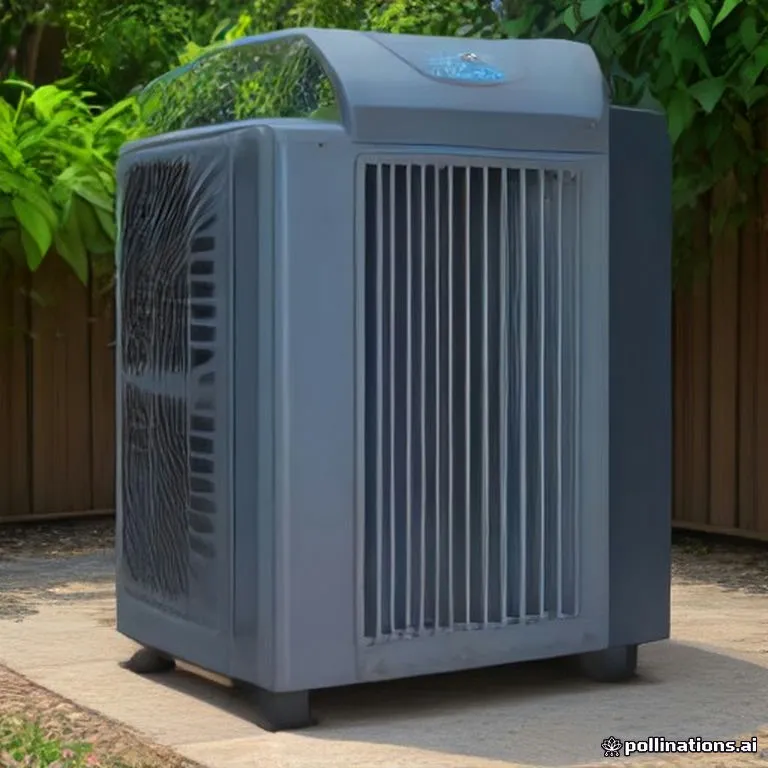
Brief description
An evaporative cooler is a device or structure that cools air through the evaporation of water. Utilizing the principle of sensible heat reduction through the latent heat of vaporization, it provides energy-efficient thermal cooling and food preservation in dry, hot climates without electrical refrigeration.
Use / Function
- Food Preservation: Keeping produce, dairy, and perishable goods cold in off-grid environments.
- Space Cooling: Reducing ambient temperatures inside living quarters, workshops, or greenhouses.
- Water Cooling: Chilling drinking water stored in porous unglazed clay vessels.
- Scale: Household (pot-in-pot / Zeer pot), building ventilation (windcatchers with wet pads), and industrial evaporative pads.
Operating principle
The evaporative cooler works on Thermodynamic Phase Change:
- Evaporation: Un-saturated dry air moves across a damp, porous media soaked in Water.
- Heat Absorption: Liquid water absorbs sensible thermal energy from the passing air and evaporates into water vapor.
- Temperature Drop: The sensible heat used to evaporate water transitions into latent heat of vaporization, lowering the dry-bulb temperature of the air stream.
- Humidity Increase: The exiting air stream is cooler but has higher relative humidity.
- Efficiency Limit: Cooling effectiveness depends on dry-bulb and wet-bulb temperature difference; performance is highest in hot, low-humidity environments.
How to create it
- Constructing the Vessel or Enclosure: Form an outer housing or pot using porous Clay or a Wood frame with mesh sides.
- Preparing the Inner Container: For food preservation, insert an inner watertight or glazed clay container inside the outer housing, leaving a 2–5 cm gap between them.
- Adding Absorbent Medium: Fill the gap between containers with wet sand, coarse soil, or line the frame with porous Fabric, charcoal, or cellulose pads.
- Moistening the System: Saturate the sand or fabric pads thoroughly with Water.
- Ensuring Airflow: Place the assembly in a shaded, well-ventilated location where ambient breeze or solar chimney air currents can continually pass over the exterior surface.
- Maintenance: Regularly top up water to keep the absorbent medium constantly moist.
Materials needed
- Clay: For porous earthen pots or bricks.
- Water: The primary working fluid for evaporative phase change.
- Fabric or Sand: Porous wicking medium to hold water and expand surface area.
- Wood: For structural framing or ventilation louvers.
Variants and improvements
- Zeer Pot (Pot-in-Pot): Two nested clay pots separated by damp sand, capable of maintaining food down to 15°C (59°F) in desert conditions.
- Swamp Cooler: Mechanical fan pushing air through water-saturated pads, providing large-scale room cooling.
- Windcatcher Integration: Traditional architectural tower guiding wind over wet underground channels or porous jars.
Limits and risks
- Humidity Dependent: Ineffective in humid or tropical climates where air is already near moisture saturation ($100%$ relative humidity).
- Water Consumption: Requires a continuous supply of non-potable or brackish water.
- Mold Growth: Stagnant, wet media without sufficient ventilation can foster mold or bacteria.