Generated with AI3 min read
Brush
Made of
Brief description
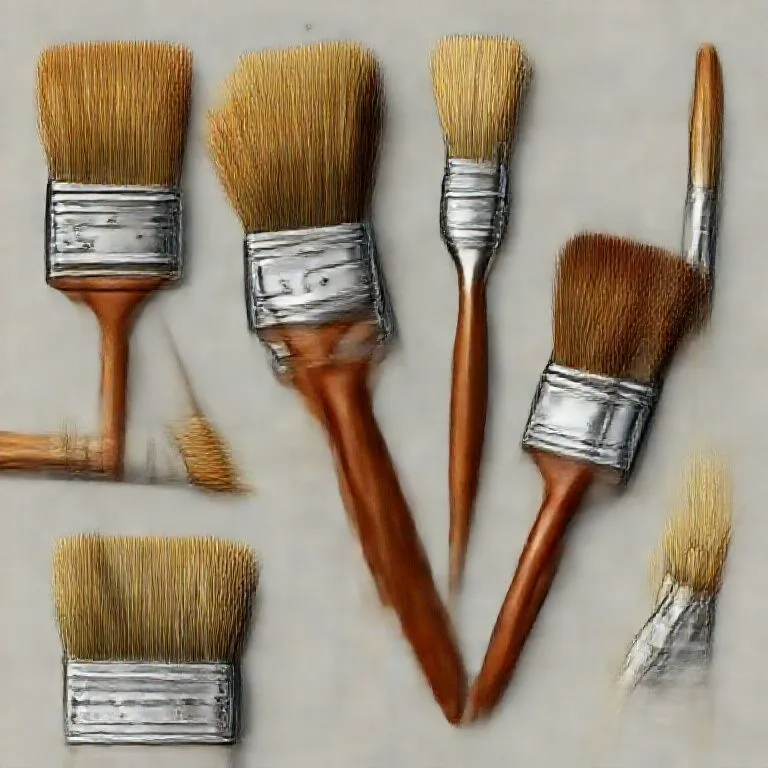
A brush is a handheld tool consisting of bristles attached to a handle, used for applying paint, ink, or other substances, as well as for cleaning or grooming. It allows for the controlled transfer of liquid or powder to a surface.
Use / Function
- Primary use: Application of paint or ink for art, writing, or decoration.
- Wall painting: Applying paint to large surfaces (see Painting Walls).
- Secondary uses: Cleaning (dusting), grooming (hairbrush), application of glues or cosmetics, localized dyeing with textile dye.
- Scale: Domestic to industrial (from fine art to house painting).
Operating principle
The bristles hold the liquid (paint/ink) through capillary action and surface tension. When pressed against a surface, the bristles bend and release the liquid. The flexibility of the bristles allows for varying line widths and textures depending on the pressure applied.
How to create it
Minimum functional version
- Gather a small bundle of animal hair or stiff plant fibers.
- Tie them tightly together at one end.
- Insert the tied end into a hollow stick (reed or quill) or bind it to a stick.
- Secure with glue or resin.
Essential steps
- Selection: Choose bristles based on desired stiffness (boar for coarse, sable/squirrel for fine).
- Cleaning: Wash bristles to remove grease (unless natural oils are desired).
- Bundling: Align the tips (do not cut the tips of natural hair, as the tapered end is crucial for flow).
- Ferrule: Create a collar (metal, quill, or wrapped string) to hold the bristles shape.
- Hafting: Attach the ferrule to the handle.
Materials needed
- Essential materials:
- Bristles: Animal hair (horse, hog, badger, sable), plant fibers (sisal, coconut), or synthetic.
- Handle: Wood, bamboo, bone.
- Binding: String, wire, leather strip.
- Tools: Knife, scissors (for trimming base, not tips), Glue/Resin.
- Possible substitutes:
- Application: Cloth, sponge, hand, or feather for broad effects or simple strokes.
- Bristles: Moss, palm fibers, or feathers for rough use.
- Binding: Resin, sinew, or braided plant fiber if string is unavailable.
Variants and improvements
- Early versions: Chewed sticks (fibers separated at the end), bundles of moss or fur tied to a stick.
- Calligraphy Brush: Tapered point for variable line width, typically bamboo handle and wolf/goat hair.
- Flat Brush: Metal ferrule flattens the bristles for covering large areas.
- Roller: A rolling cylinder for covering very large flat surfaces quickly (modern improvement).
Limits and risks
- Shedding: Poorly bound brushes lose hairs in the paint.
- Shape retention: Poor quality bristles splay out and lose their point/edge.
- Cleaning: Paint dried in the heel (near the ferrule) ruins the brush. Must be cleaned immediately after use.