NaturalGenerated with AI2 min read
Animal Hair
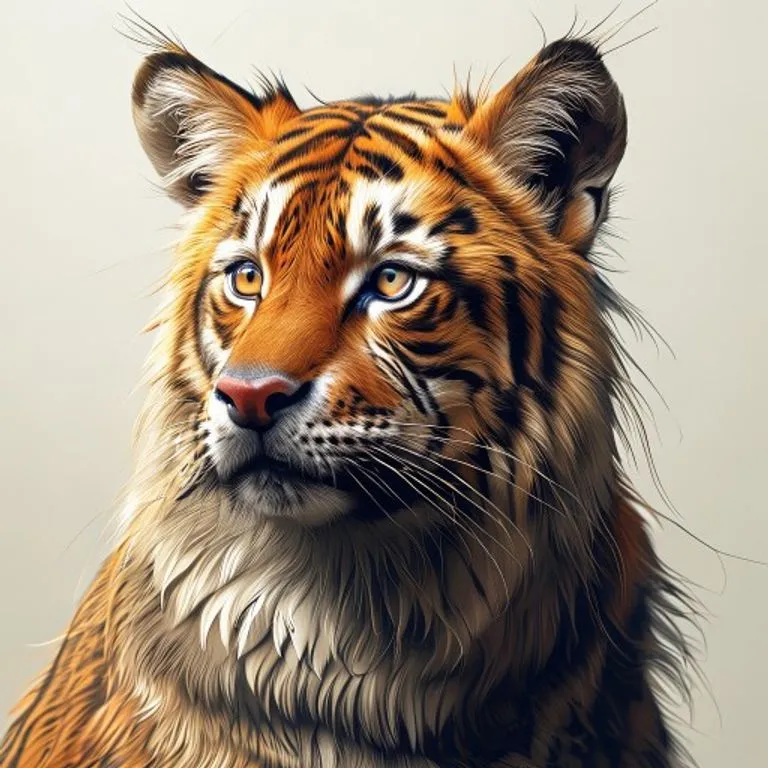
Animal hair is a fibrous material grown by mammals. It varies widely in thickness, stiffness, and length, making it useful for insulation, textiles, and tools like brushes.
Description of what it is like
Animal hair ranges from fine and soft to coarse and stiff. It can trap air for insulation, take dye well, and flex repeatedly without breaking if properly cleaned and dried.
Origin and where to find it
- Environments: Any region with mammals (wild or domesticated).
- Signs: Shed hair, fleece, or bristles on animals or gathered from processing hides.
- It is a natural material.
Minimum processing required
- Collection: Shear or comb hair from the animal.
- Cleaning: Wash to remove oils, dirt, and parasites.
- Sorting: Separate by length and stiffness for specific uses.
- Drying: Air-dry fully to prevent mold.
Tools needed to work on it
- Combs or carders for aligning fibers.
- Knives or shears for harvesting.
- Basins for washing and rinsing.
Common forms of use
- Loose fibers: For stuffing and insulation.
- Bundled bristles: For brushes.
- Spun yarn: For weaving or knitting.
- Felted sheets: For dense, wind-resistant fabric.
Possible substitutes
- Plant fibers: Flax, hemp, or cotton.
- Feathers: Lightweight insulation.
- Synthetic fibers: Modern alternatives with predictable properties.
Limitations and common failures
- Moisture damage: Wet hair can rot or grow mildew.
- Pests: Insects can damage stored fibers.
- Brittleness: Over-drying makes fibers fragile.
Risks and safety
- Allergies: Some people react to dander or lanolin.
- Contamination: Dirty hair can carry parasites or bacteria.
Related materials
Properties
- Keratin-based
- Flexible
- Insulating
- Water-shedding
- Dyeable
Used for
- Brush bristles
- Textiles and felt
- Insulation
- Rope and cordage
- Padding
Manufacturing / Process
Collected from animals by shearing or grooming, then cleaned, sorted, and bundled or spun depending on use.