SyntheticGenerated with AI2 min read
String
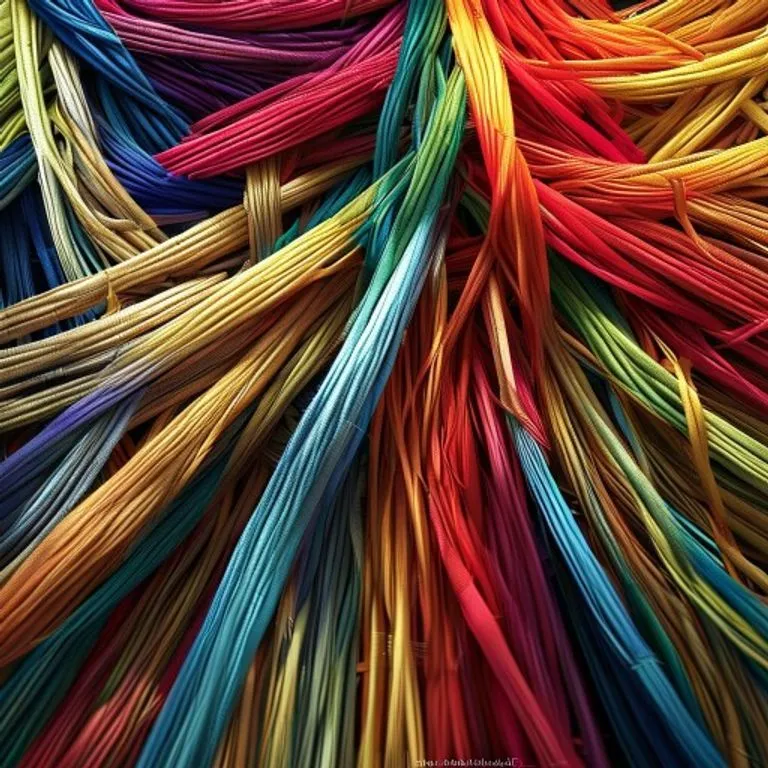
String is a thin cord made by twisting fibers into a continuous strand. It is used for tying, binding, and joining materials when a flexible connector is needed.
Description of what it is like
String is lightweight and flexible, with strength that depends on the fiber type and the number of plies. It can be knotted, wrapped, and tensioned without breaking if properly made.
Origin and where to find it
- Environments: Wherever fiber sources exist (plants, animals).
- Signs: Twisted or braided strands made from fibers or sinew.
- It is a processed material.
Minimum processing required
- Fiber collection: Plant fibers, animal hair, or sinew.
- Preparation: Cleaning and aligning fibers.
- Twisting: Rolling fibers into a single strand.
- Plying: Twisting multiple strands together for strength.
Tools needed to work on it
- Hands or simple spindles for twisting.
- Hooks or pegs for tensioning.
- Knives for cutting fibers.
Common forms of use
- Single-ply: Light tying and temporary bindings.
- Two- or three-ply: Stronger cord for tools and stitching.
- Braided: Flat or round braids for added durability.
Possible substitutes
- Yarn: Thicker and softer fiber cord.
- Plant fibers: Used directly as cordage.
- Leather: Rawhide strips for tough bindings.
Limitations and common failures
- Abrasion: Fibers fray when rubbed against rough surfaces.
- Moisture: Natural fibers can swell, rot, or weaken when wet.
- Stretching: Thin string can stretch under constant load.
Risks and safety
- Entanglement: Loose string can snag tools or limbs.
- Cuts: Thin cord can cut skin under tension.
Related materials
- Plant fibers: Common raw source.
- Animal hair: Alternative fiber source.
- Glue: Often used with bindings.
Properties
- Tensile strength
- Flexible
- Twistable
- Knot-holding
- Abrasion-prone
Used for
- Binding and lashing
- Sewing and stitching
- Tool making
- Brush binding
- Nets and traps
Manufacturing / Process
Twisting plant fibers, hair, or sinew into cords and plying strands for strength and durability.