NaturalGenerated with AI2 min read
Tea
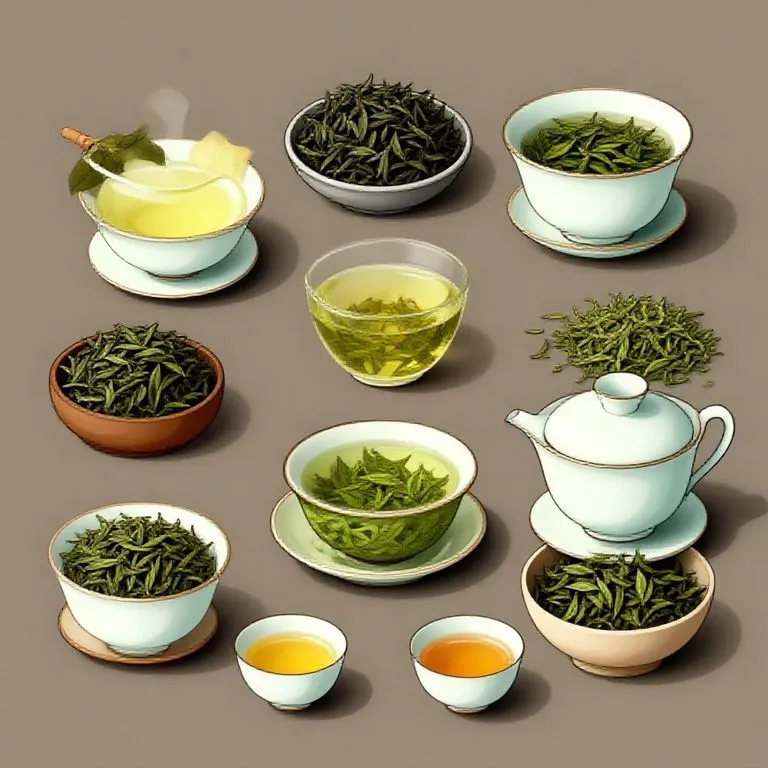
Tea is made from the dried leaves and buds of the tea plant and is prepared by infusing them in hot or cold water. It is prized for its aroma, flavor, and gentle stimulant effect.
Description of what it is like
The dry material is thin, curled leaves or small buds that smell grassy, floral, or toasted depending on processing. When infused, it produces a colored liquid ranging from pale green to deep amber.
Origin and where to find it
- Environments: Humid, temperate or subtropical regions with acidic, well-drained soils.
- Signs: Evergreen shrubs with glossy leaves and tender new shoots at the tips.
- It is a cultivated plant grown in managed fields or hillside terraces.
Minimum processing required
- Withering: Spread fresh leaves to reduce moisture.
- Rolling/Bruising: Twist or press to release juices and shape the leaves.
- Oxidation: Allow controlled browning for darker teas, then halt it.
- Drying: Finish with gentle heat or sun to stabilize and store safely.
Tools needed to work on it
- Trays or woven mats for withering and drying.
- Clean cloths or hands for rolling and shaping.
- Fire for heat drying when sun is unreliable.
- Containers for airtight storage.
Common forms of use
- Loose-leaf infusions.
- Compressed cakes or bricks for storage and transport.
- Powdered tea whisked into water.
- Blended with Sugar for sweetness.
Possible substitutes
- Herbal infusions from local leaves or flowers.
- Roasted grains or roots steeped as caffeine-free drinks.
Limitations and common failures
- Staleness: Aromatics fade if exposed to air, light, or heat.
- Moisture damage: Damp tea molds and becomes unsafe.
- Over-steeping: Excess bitterness and astringency.
Risks and safety
- Caffeine sensitivity: Can cause jitters or sleep disruption.
- Burns: Hot liquids can scald if handled poorly.
- Contamination: Dirty drying surfaces can taint the leaves.
Related materials
- Water: The infusion base.
- Sugar: Common sweetener.
- Plant Fibers: Used for simple filters or bags.
- Clay: Used to make brewing vessels.
Properties
- Aromatic dried leaves or buds
- Contains caffeine and tannins
- Water-soluble flavor compounds
- Oxidizes and darkens when bruised
Used for
- Hot beverage
- Cold infusion
- Mild stimulant
- Culinary flavoring
- Ritual or medicinal drink
Manufacturing / Process
Leaves from Camellia sinensis are harvested, withered, rolled or bruised, optionally oxidized, and then dried to stabilize flavor.