SyntheticGenerated with AI2 min read
Zinc
Zn
Made of
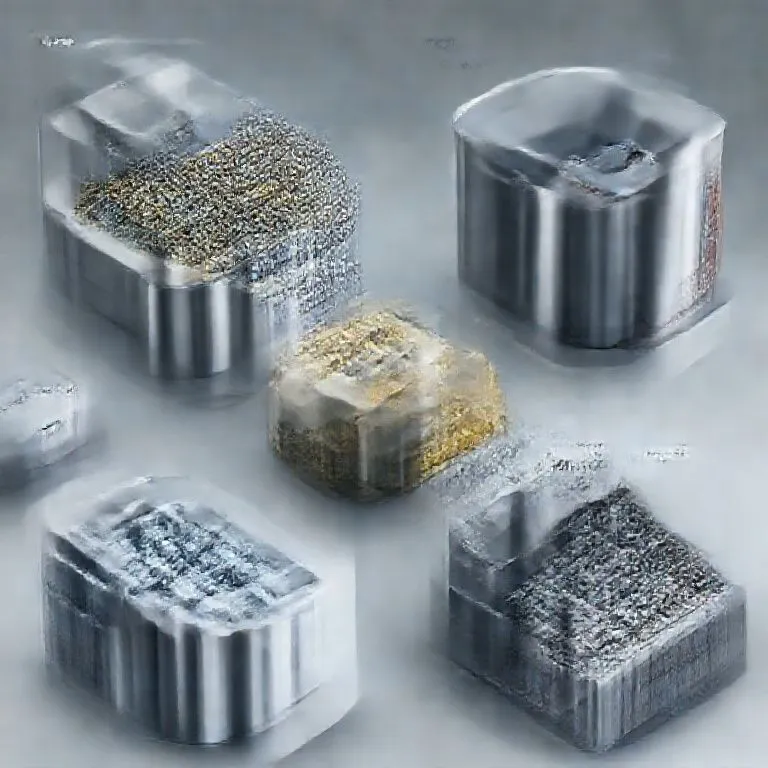
Zinc is a bluish-white, lustrous metal. It is brittle at most temperatures but becomes malleable between 100 °C and 150 °C. It is a moderately reactive metal that combines with oxygen and other non-metals, and reacts with dilute acids to release hydrogen.
Description of what it is like
It has a silvery-grey appearance when oxidation is removed. It tarnishes in moist air to form a protective layer of basic zinc carbonate.
Origin and where to find it
- Environments: Zinc is rarely found in its native form. It is mostly found in ores, the most common being sphalerite (zinc sulfide).
- Signs: Sphalerite is often found in association with galena (lead ore), chalcopyrite (copper ore), and pyrite (iron sulfide).
- Requires transformation: It requires extraction from its ore.
Minimum processing required
- Roasting: The ore is roasted (heated in air) to convert zinc sulfide to zinc oxide.
- Reduction: The zinc oxide is then reduced with carbon (coal/charcoal) at high temperatures to produce zinc metal. The zinc boils off as a gas and is condensed.
Tools needed to work on it
- Furnace: Capable of reaching temperatures around 1000°C for reduction.
- Retorts/Condensers: To collect the zinc vapor.
- Molds: To cast the zinc into ingots.
Common forms of use
- Sheet: Rolled zinc for roofing or battery cases (anodes).
- Coating: Dipping iron/steel in molten zinc (galvanization) to prevent rust.
- Alloy: Mixed with copper to make brass.
Possible substitutes
- Tin: For coating steel (tinplate), though less effective as a sacrificial anode.
- Magnesium/Aluminum: As sacrificial anodes.
- Plastic/Composite: For non-structural corrosion resistance.
Limitations and common failures
- Zinc Pest: At low temperatures, tin-zinc alloys can degrade.
- Fumes: Breathing zinc oxide fumes during melting/welding can cause “metal fume fever”.
Risks and safety
- Fume exposure: Melting or welding zinc and galvanized steel can release zinc oxide fumes. Use strong ventilation and avoid breathing the smoke.
- Dust ignition: Fine zinc powder can ignite; keep sparks away and store it dry.
Related materials
Properties
- Corrosion resistant
- Low melting point
- Brittle at room temperature
- Malleable when heated
Used for
- Galvanization
- Brass production
- Batteries
- Sacrificial anodes
Manufacturing / Process
Extracted from ores like sphalerite (zinc blende) through roasting and reduction.