NaturalGenerated with AI2 min read
Pumice
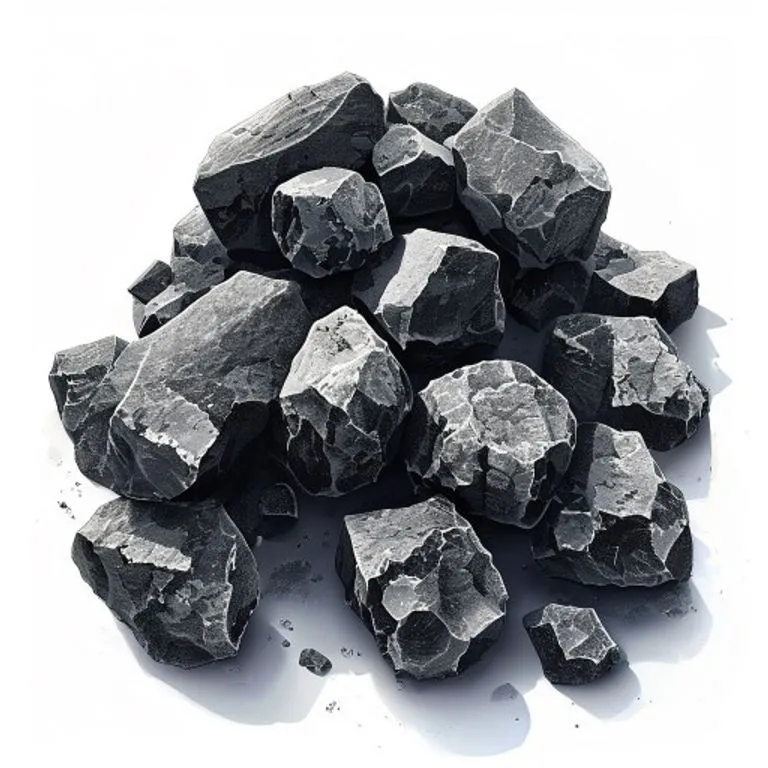
Pumice is a light, porous volcanic rock that consists of highly vesicular rough textured volcanic glass. It is created when super-heated, highly pressurized rock is violently ejected from a volcano.
Description of what it is like
- Appearance: Light colored (white, cream, grey) rock full of tiny holes (vesicles).
- Texture: Rough, scratchy, and sponge-like.
- Properties: Extremely lightweight; dry pumice will float on water. It is abrasive but friable (crumbles under pressure).
Origin and where to find it
- Occurrence: Volcanic regions.
- Location: Near stratovolcanoes or washing up on beaches after ocean eruptions.
- Recognition: It looks like a hard sponge and floats.
Minimum processing required
- Collection: Gathering loose stones.
- Washing: Rinsing off salt or dirt.
- Crushing: Pounding into powder if used as a fine abrasive.
- Shaping: Can be rubbed against harder stones to shape into blocks.
Tools needed to work on it
- Hammer: To crush it.
- Mortar and Pestle: To grind it into fine powder.
Common forms of use
- Solid Block: Used to scrub skin (calluses) or scour cookware.
- Powder: Used as a polishing agent for Glass, metal, wood, or Bone.
- Aggregate: Mixed with Cement to make lightweight concrete (used by Romans in the Pantheon dome).
Possible substitutes
- Sand: Coarser abrasive.
- Sandstone: Harder abrasive block.
- Ash: For cleaning.
- Steel Wool: Modern abrasive.
Limitations and common failures
- Crushing: It is not structural on its own; it crushes easily.
- Absorption: Absorbs water eventually and will sink.
Risks and safety
- Dust: Breathing volcanic glass dust is bad for lungs.
- Abrasion: Can scratch softer materials unintentionally.
Related materials
Properties
- Abrasive
- Lightweight (floats on water)
- Porous
- Insulating
Used for
- Abrasive/Polishing
- Skin exfoliant
- Lightweight concrete aggregate
- Water filtration
- Soil amendment
Manufacturing / Process
Natural volcanic rock formed during explosive eruptions.