NaturalGenerated with AI2 min read
Obsidian
SiO2 (high)
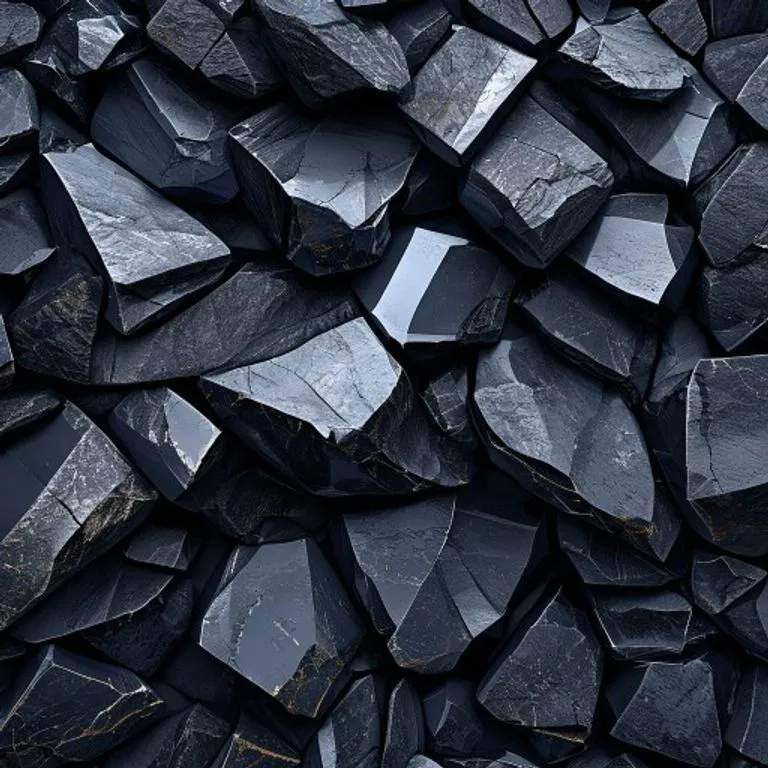
Obsidian is a natural volcanic glass formed when silica-rich lava cools so fast that crystals cannot form. It fractures into razor-sharp edges and can be shaped into precise cutting tools.
Description of what it is like
It is usually black or dark brown with a glossy, glassy surface. It feels smooth, is brittle under impact, and breaks with conchoidal fractures that create sharp edges.
Origin and where to find it
- Environments: Volcanic regions, lava flows, and rhyolitic domes.
- Signs: Shiny black fragments or glassy nodules mixed with volcanic rock.
- Natural: Forms directly from rapid lava cooling.
Minimum processing required
- Selection: Choose dense, glossy pieces without visible cracks.
- Knapping: Strike controlled flakes to expose sharp edges.
- Retouching: Pressure-flake to refine cutting edges or points.
Tools needed to work on it
- Hammerstone: For initial flakes.
- Antler or bone pressure flaker: For edge refinement.
- Leather pads: Hand protection and grip.
- Abrasive stone: Smoothing or dulling unsafe edges.
Common forms of use
- Flakes and blades: Knives and scrapers.
- Points: Arrowheads and spear tips.
- Ornaments: Beads or polished pieces.
Possible substitutes
- Flint: Similar sharpness, more common in many regions.
- Stone: Works for blunt tools but less sharp.
- Bone: Lighter tools and needles, but less durable.
Limitations and common failures
- Brittleness: Shatters under impact or bending forces.
- Edge fragility: Extremely sharp but chips easily.
- Heat sensitivity: Can crack if heated unevenly or shocked.
Risks and safety
- Cuts: Edges are sharper than steel scalpels.
- Shards: Flying flakes can injure eyes or skin.
- Dust: Fine particles from knapping can irritate lungs.
Related materials
Properties
- Volcanic glass
- Sharp fracture
- Brittle
- Smooth
- Dark
- Impermeable
Used for
- Cutting tools
- Arrowheads
- Blades
- Scrapers
- Ornamentation
Manufacturing / Process
Rapid cooling of silica-rich lava into glass.