NaturalGenerated with AI2 min read
Pozzolana
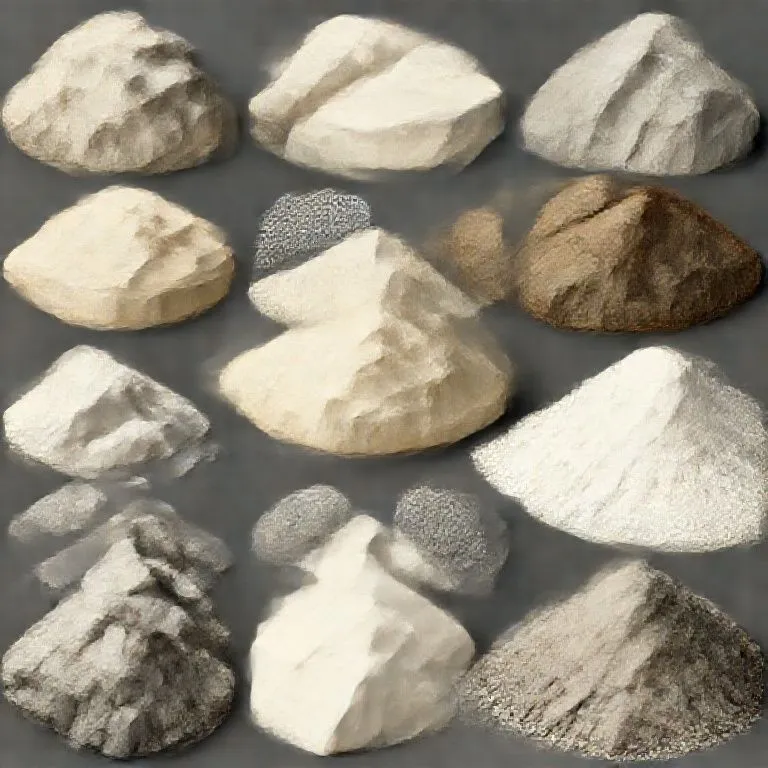
Pozzolana is a siliceous or aluminosiliceous material that, by itself, possesses little or no cementitious value, but which, in finely divided form and in the presence of moisture, chemically reacts with calcium hydroxide (Lime) at ordinary temperatures to form compounds with cementitious properties.
Description of what it is like
- Natural: Porous powder or rock of varied colors (gray, red, black), typical of volcanic areas.
- Artificial: Reddish powder coming from crushed bricks or tiles.
Origin and where to find it
- Natural: Volcanic ash deposits (famous in Pozzuoli, Italy).
- Artificial: Pottery, Bricks, or tiles crushed into a fine powder.
Minimum processing required
- Collection/Crushing: Obtain volcanic ash or crush ceramic waste.
- Grinding: Must be a very fine powder to react well with lime.
- Sieving: Remove large pieces.
Tools needed to work on it
- Mill/Mortar: To pulverize ceramics or volcanic rock.
- Sieve: To ensure the fineness of the powder.
Common forms of use
- Primitive Cement: Mixed with Lime and water. This creates a hydraulic cement that can set underwater, crucial for ports, cisterns, and bridges.
- Mortar additive: Improves the strength and durability of standard lime mortar.
Possible substitutes
- Coal fly ash: In modern times.
- Calcined clay: Clay fired at specific temperatures and then ground.
- Diatomaceous earth: Another source of reactive silica.
Limitations and common failures
- Moisture: Must be kept dry before mixing.
- Proportion: Requires adequate proportion with lime (typically 2:1 or 3:1 pozzolana:lime) to be effective.
Risks and safety
- Silicosis: Inhalation of fine silica dust is dangerous in the long term. Use respiratory protection (wet cloth/mask).
Related materials
- Lime: The necessary activator.
- Primitive Cement: The resulting product.
- Concrete: Main use.
Properties
- Pozzolanic
- Reacts with lime
- Fine powder
- Abrasive
Used for
- Roman cement
- Hydraulic concrete
- Waterproof mortar
- Filters
Manufacturing / Process
Collection of volcanic ash or crushing of bricks/fired ceramics.