SyntheticGenerated with AI2 min read
Biogas
Made of
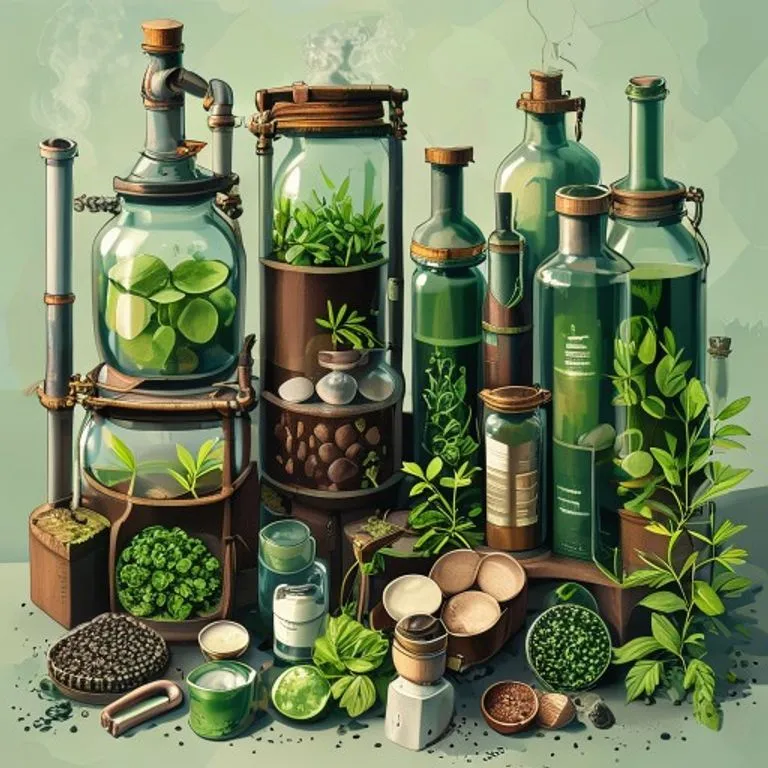
Biogas is a mixture of different gases produced by the breakdown of organic matter in the absence of oxygen.
Description of what it is like
It is a colorless gas, primarily composed of methane (CH4) and carbon dioxide (CO2). It may have a slight odor of rotten eggs if hydrogen sulfide (H2S) is present.
Origin and where to find it
- Produced in swamps (marsh gas), landfills, and through the digestion process in animals.
- Artificially produced in a Biogas Digester using organic waste.
Minimum processing required
- Collection from an anaerobic environment.
- Scrubbing (removal of H2S and moisture) is recommended for use in engines.
Tools needed to work on it
Common forms of use
- Direct Combustion: Burned in stoves or lamps.
- Power Generation: Used in modified internal combustion engines to drive generators.
Possible substitutes
- Natural Gas: Fossil equivalent.
- Propane: More energy-dense but requires industrial production.
- Wood Gas: Produced by gasification of wood.
Limitations and common failures
- Low Energy Density: Contains less energy per volume than natural gas.
- Storage: Difficult to compress and store in large quantities without specialized equipment.
Risks and safety
- Asphyxiation: Can displace oxygen in enclosed spaces.
- Fire/Explosion: Highly flammable when mixed with air.
Related materials
- Methane
- Carbon Dioxide
- Fertilizer (as a byproduct)
Properties
- Flammable
- Gaseous
- Renewable
Used for
- Cooking fuel for **[Rocket Stove](/en/inventions/rocket-stove)**
- Fuel for **[Internal Combustion Engine](/en/inventions/internal-combustion-engine)**
- Lighting fuel for **[Gas Welder](/en/inventions/gas-welder)**
Manufacturing / Process
Produced through the anaerobic digestion of organic matter (manure, sewage, municipal waste, green waste, plant material, and crops) in a **[Biogas Digester](/en/inventions/biogas-digester)**.