Generated with AI2 min read
Basic Metallurgy (Copper & Bronze)
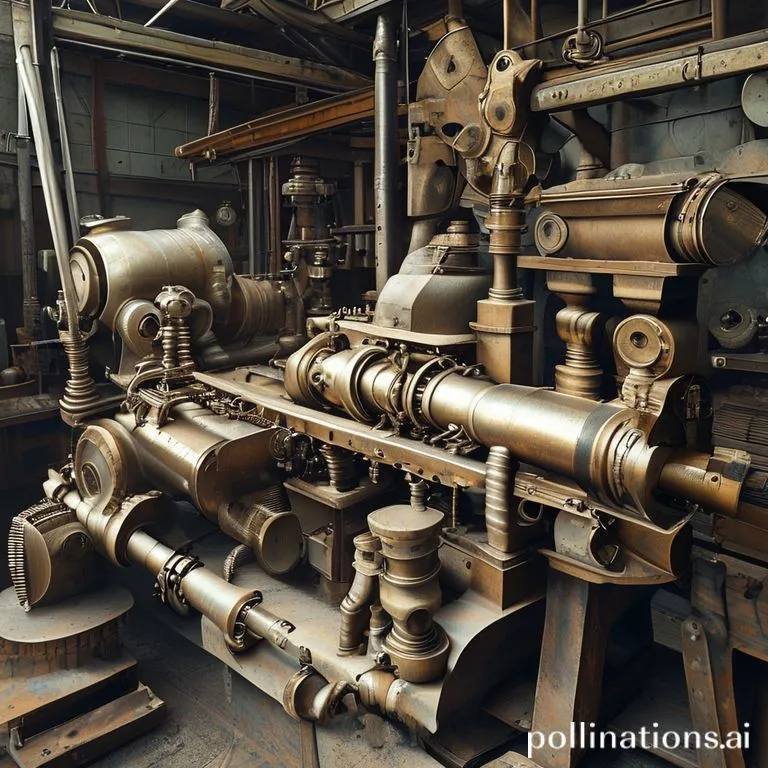
Brief description
Metallurgy is the science and technology of extracting metals from their ores and shaping them into useful objects. Basic metallurgy focuses on copper and the alloy bronze.
Use / Function
- Tools: Creating harder and more durable knives, axes, and hammers.
- Weapons: Swords, spearheads, and armor.
- Agriculture: Plows and sickles that stay sharp longer than stone.
- Art: Statues, jewelry, and ornaments.
Operating principle
Most metals are found in nature as ores (combined with other elements). Metallurgy exploits heat and chemical reactions (reduction) to separate the metal. Once liquid, the metal can be poured into molds (casting) or hammered into shape (Forging). Adding tin to copper creates bronze, which is significantly harder.
How to create it
- Mining: Extracting ore (like malachite for copper) from the earth.
- Smelting: Heating the ore in a charcoal furnace to high temperatures (approx. 1085°C for copper).
- Alloying: Mixing molten copper with tin (around 10%) to create bronze.
- Casting: Pouring the molten metal into a stone or clay mold.
- Finishing: Hammering, grinding, and polishing the cold metal to its final shape.
Materials needed
- Ore: Copper ore (malachite, chalcopyrite) and tin ore (cassiterite).
- Fuel: Charcoal (produces the necessary high heat and reduction atmosphere).
- Flux: Substances like limestone to help separate impurities (slag).
- Tools: Forge, Bellows, Crucible, molds, and Hammers.
Variants and improvements
- Native Copper: Working with pure copper found in nature without smelting.
- Arsenical Bronze: Early bronze made by accidentally or intentionally adding arsenic.
- Tin Bronze: Standard bronze, superior in strength and castability.
- Iron Metallurgy: Later development requiring much higher temperatures and different techniques.
Limits and risks
- Toxicity: Fumes from smelting (especially with arsenic or lead) are highly dangerous.
- Energy Intensive: Requires vast amounts of charcoal, leading to deforestation if not managed.
- Resource Dependency: Tin is often rare and must be traded over long distances.
- Fragility: Bronze can be brittle if the alloy mix is incorrect.