Generated with AI3 min read
Metal Casting
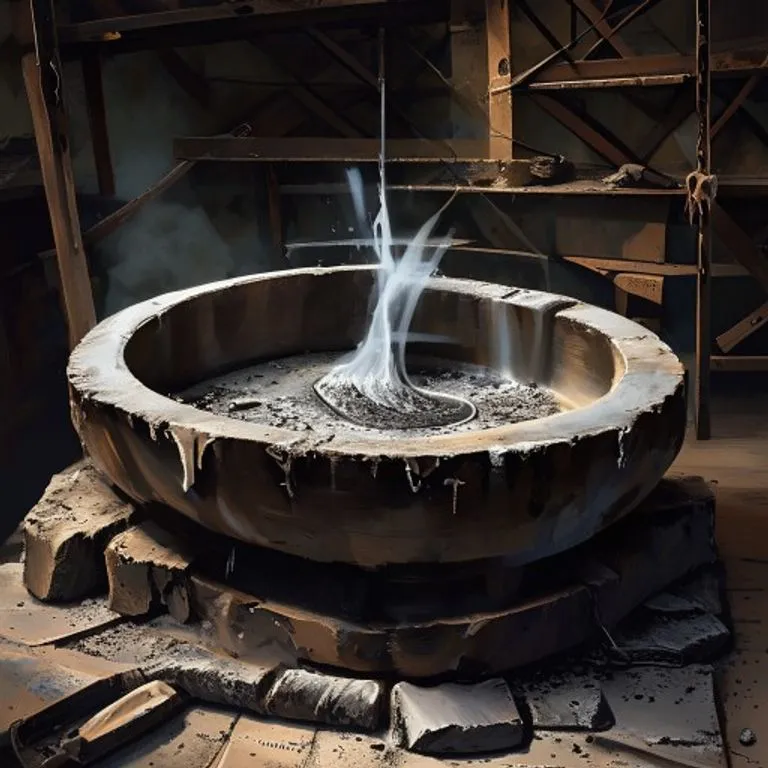
Brief description
Metal casting is a manufacturing process in which liquid molten metal is poured into a mold cavity containing the negative shape of the desired component, where it cools and solidifies into a precise metallic object.
Use / Function
- Engine and Machine Production: Creates complex engine blocks, cylinders, gears, and structural housings.
- Tooling and Hardware: Produces anvil blocks, valves, pump bodies, and heavy industrial machinery frames.
- Artistic and Domestic Items: Casts bells, cookware, statues, and decorative metalwork.
- Scale: Small artisan foundries to massive industrial steel mills.
Operating principle
Metal casting utilizes the fluidity of liquid metals above their melting points to replicate intricate shapes:
- Pattern Creation: A replica (pattern) of the object is made from wood, wax, or metal.
- Mold Preparation: The pattern is packed in a refractory molding material (such as green sand or ceramic slurry) to form a cavity with gating systems and risers.
- Melting: Metals or alloys are heated in a Furnace using a Crucible until completely molten.
- Pouring: Molten metal is poured smoothly into the mold cavity.
- Solidification and Shakeout: The metal cools, shrinks, and hardens. The mold is broken or separated to retrieve the finished casting.
How to implement
- Prepare Green Sand Molding: Mix silica Sand with Clay (bentonite) and a small amount of water to create reusable molding sand.
- Form Flask Cavity: Place the wooden pattern in a two-part wooden or metal flask (cope and drag), pack sand firmly around it, and cut channels for metal flow and air venting.
- Melt the Charge: Heat scrap metal (e.g., bronze, cast iron, or aluminum) in a refractory-lined furnace until it achieves uniform fluidity.
- Pour and Vent: Pour liquid metal continuously through the sprue while air and gases escape through riser channels.
- Finish the Cast Component: Once cooled, shake out the sand mold, cut off sprues and risers, and grind surface imperfections.
Materials needed
- Molding Medium: Silica sand, refractory clay, and water (green sand) or gypsum plaster.
- Furnace Fuel: Charcoal, coke, or propane.
- Crucible: Graphite or ceramic container capable of withstanding temperatures exceeding 1,100°C–1,500°C.
- Metals: Copper, bronze, brass, Iron, or aluminum.
Variants and improvements
- Sand Casting: The most versatile method using packed sand molds suitable for high temperatures and large components.
- Lost-Wax (Investment) Casting: Uses wax patterns dipped in ceramic slurry to produce highly detailed components with fine surface finishes.
- Die Casting: Forces molten metal under high pressure into reusable steel molds for rapid mass production of non-ferrous parts.
Limits and risks
- Shrinkage and Porosity: Metal contracts upon cooling, which can cause internal voids or dimensional distortions if risers are inadequate.
- Extreme Heat and Burn Hazards: Molten metal poses extreme thermal burn risks; moisture inside molds can cause explosive steam expansions.
- Toxic Fumes: Melting metals and binders releases heavy metal fumes and harmful carbon monoxide requiring adequate ventilation.