Generated with AI3 min read
Germ Theory
Related Materials
Brief description
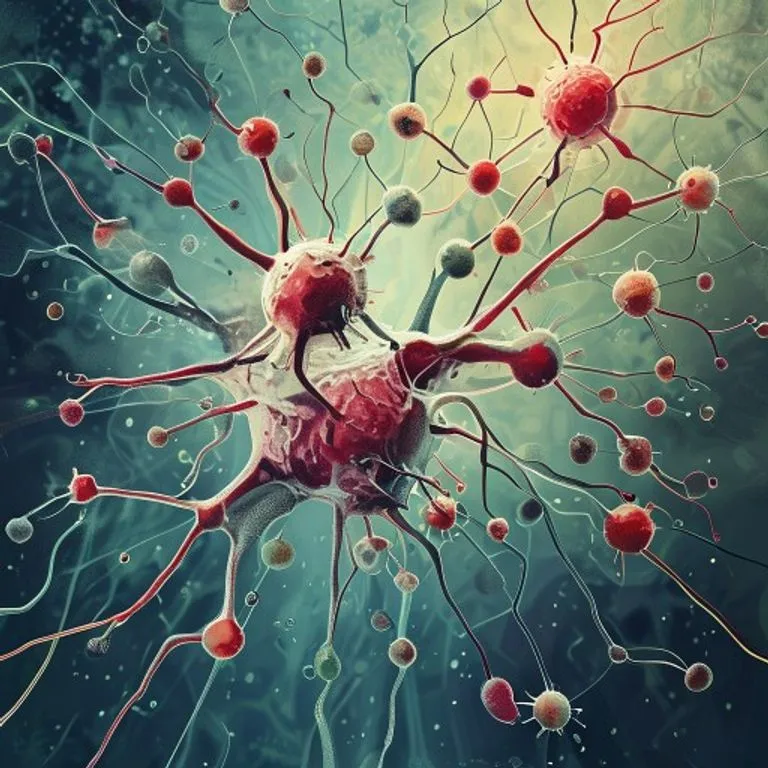
Germ theory is the scientific principle that many diseases are caused by the presence and actions of microorganisms within the body. These small organisms, too small to be seen without magnification, invade humans, animals, and other living hosts.
Use / Function
- Disease Prevention: Understanding how pathogens spread allows for effective sanitation and hygiene practices.
- Medical Treatment: Identification of specific germs leads to targeted treatments like antibiotics and antivirals.
- Food Safety: Guided development of techniques like pasteurization and refrigeration to prevent spoilage and foodborne illness.
- Sterilization: Development of protocols for cleaning surgical instruments and environments.
Operating principle
The theory is based on several key observations:
- Microorganisms (Germs): Bacteria, viruses, fungi, and protozoa are the primary causes of infectious diseases.
- Transmission: Germs spread through air (droplets), water, food, direct contact, or vectors (like insects).
- Growth: Once inside a host, germs multiply, often producing toxins that damage cells and tissues.
- Sterilization/Disinfection: Pathogens can be killed or removed using heat, chemicals (antiseptics/disinfectants), or filtration.
How to implement it
- Magnification: Use a Microscope to observe microorganisms in samples.
- Sterilization: Boil Water and tools to kill most active bacteria. Use pressurized steam (like in an autoclave) for complete sterilization.
- Antiseptics: Apply Alcohol or iodine to skin before procedures to prevent infection.
- Isolation: Separate sick individuals from the healthy to prevent the spread of contagious pathogens.
- Water Purification: Use a Water Filter or Distillation to remove pathogens from drinking water.
Required technological level
Intermediate. Requires the ability to see microorganisms (optics) and a systematic approach to cleanliness (Scientific Method).
Materials needed
- Cleaners: Water, Soap, Alcohol.
- Disinfectants: Bleach, Vinegar.
- Tools: Microscope for observation, Water Filter for purification.
Variants and improvements
- Miasma Theory (Obsolete): The old belief that “bad air” caused disease; replaced by Germ Theory.
- Pasteurization: Heating liquids to a specific temperature to kill pathogens without boiling.
- Vaccination: Training the immune system to recognize specific germs. See Vaccination.
Limits and risks
- Antibiotic Resistance: Overuse of treatments can lead to “superbugs” that germ theory alone cannot easily solve.
- Misidentification: Not all microbes are harmful; some are essential for health (human microbiome).
- Invisible Threat: Because germs cannot be seen, it is easy to become complacent with hygiene.
Related Knowledge
- Basic Hygiene: Practical application of germ theory.
- Scientific Method: The foundation for discovering and proving germ theory.
- Sterilization: Processes to eliminate all forms of life from an object.