Generated with AI2 min read
Food Storage
Related Materials
Brief description
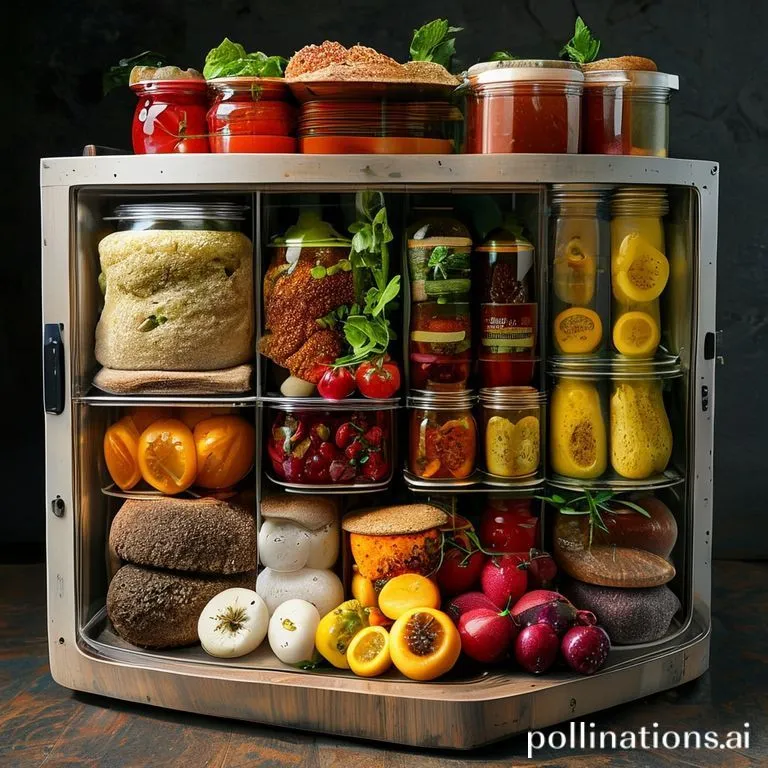
Food storage refers to the methods and structures used to preserve food for future consumption. It is essential for surviving periods of scarcity, such as winter or drought, and for stabilizing the food supply of a community.
Use / Function
- Preservation: Prevents spoilage caused by bacteria, fungi, and pests.
- Stockpiling: Allows for the accumulation of surplus food.
- Strategic reserve: Ensures survival during environmental crises or failed harvests.
- Transport: Facilitates the movement of food over long distances.
Operating principle
Food storage works by creating an environment that inhibits the growth of microorganisms and protects against animals (rodents, insects):
- Physical Barrier: Using containers or buildings to keep pests out.
- Environment Control: Managing temperature, moisture, and light.
- Preservation Techniques: Modifying the food itself (drying, salting, fermenting) to make it less hospitable to decay.
How to create it
Basic food storage can be achieved through:
- Granaries: Raised wooden or stone structures to keep grain dry and away from rodents.
- Pit storage: Burying food in lined pits to maintain a cool, stable temperature.
- Pottery: Using sealed clay jars to protect liquids and grains.
- Basketry: Woven containers for short-term storage and transport.
Materials needed
- Essential: Containers (clay pots, baskets), dry environment.
- Tools:
- Pottery: Clay, water, fire.
- Granaries: Timber, stones, plant fibers for thatch.
- Preservation: Salt, smoke (wood).
Variants and improvements
- Drying: Removing moisture (sun-drying or smoking).
- Salting/Curing: Using salt to dehydrate and preserve meat and fish.
- Fermentation: Using beneficial bacteria to preserve food (e.g., sauerkraut, cheese).
- Cold storage: Using ice houses or underground cellars.
- Modern versions: Refrigeration, freezing, Canning, Pasteurization, and vacuum sealing.
Limits and risks
- Contamination: Improperly stored food can develop deadly toxins (e.g., botulism).
- Pest Infestation: Rodents and insects can destroy large reserves if barriers fail.
- Spoilage: Humidity can lead to mold and rot.
- Nutrient Loss: Long-term storage often reduces the nutritional value of food.