Generated with AI3 min read
Pasteurization
Related Materials
Brief description
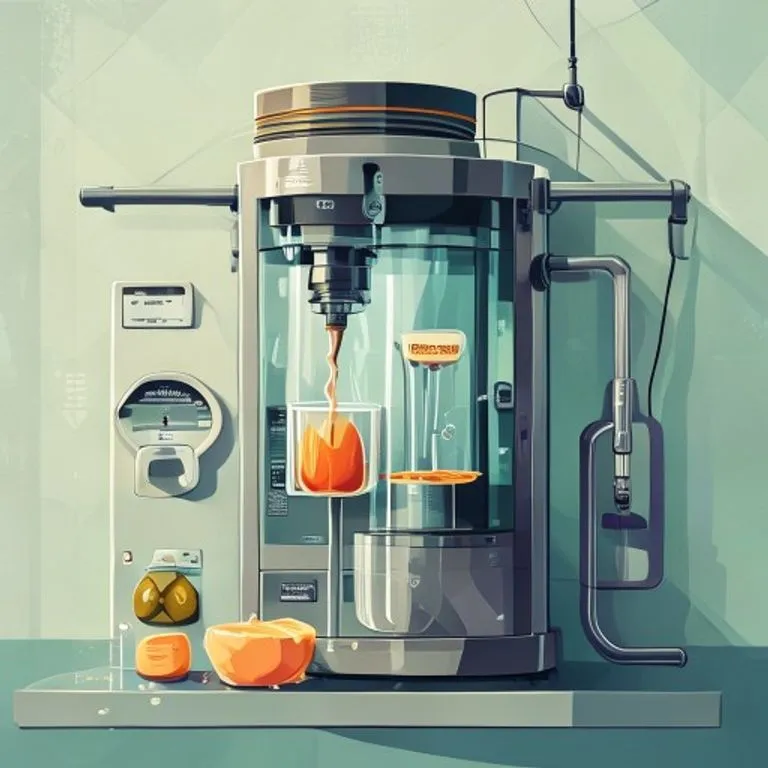
Pasteurization is a heat-treatment process that destroys pathogenic microorganisms in certain foods and beverages. Unlike sterilization, it does not kill all microorganisms but reduces their number to a safe level, extending shelf life without significantly altering the taste or nutritional value.
Use / Function
- Food Safety: Eliminating bacteria like Salmonella, E. coli, and Listeria from milk, juice, and other liquids.
- Disease Prevention: Historically critical in stopping the spread of tuberculosis and brucellosis via milk.
- Preservation: Slowing down spoilage by inactivating enzymes and killing spoilage-causing microbes.
Operating principle
It is based on the relationship between temperature and time:
- Heating: The liquid is heated to a specific temperature (below its boiling point).
- Holding: It is held at that temperature for a precise duration.
- Cooling: It is rapidly cooled to prevent any surviving spores from multiplying.
Common methods:
- Batch (LTLT): 63°C (145°F) for 30 minutes.
- Flash (HTST): 72°C (161°F) for 15 seconds.
How to implement it
- Preparation: Place the liquid (e.g., raw milk) in a clean Container.
- Heating: Place the container in a water bath (to ensure even heating and prevent scorching).
- Monitoring: Use a Thermometer to reach the target temperature (63°C for small batches).
- Holding: Maintain the temperature steadily for 30 minutes.
- Cooling: Place the container in an ice bath or cold water to lower the temperature quickly to below 4°C (40°F).
- Storage: Keep refrigerated in a sealed container.
Technical level: Intermediate. Requires accurate temperature measurement.
Materials needed
- Essential: Liquid to be treated, Water for the heating bath.
- Tools: Containers (pots, bottles), Thermometer, heat source.
- Substitutes: If no thermometer is available, heating milk until it just begins to steam and bubble slightly (but not boil) can offer some protection, though it is less reliable.
Variants and improvements
- Vat Pasteurization: The traditional batch method.
- Ultra-High Temperature (UHT): Heating to 135°C (275°F) for 1-2 seconds. This sterilizes the product, allowing it to be stored at room temperature for months if packaged aseptically.
Limits and risks
- Not Sterilization: Pasteurization does not kill bacterial spores. Pasteurized products will eventually spoil and must be kept refrigerated. See Sterilization for total elimination of microbes.
- Re-contamination: If the liquid is placed in a dirty container after heating, the process is rendered useless.
- Temperature Precision: If the temperature is too low, pathogens survive; if too high, the flavor and proteins are damaged (e.g., “cooked” taste in milk).