Generated with AI3 min read
Basic Agriculture
Related Materials
Brief description
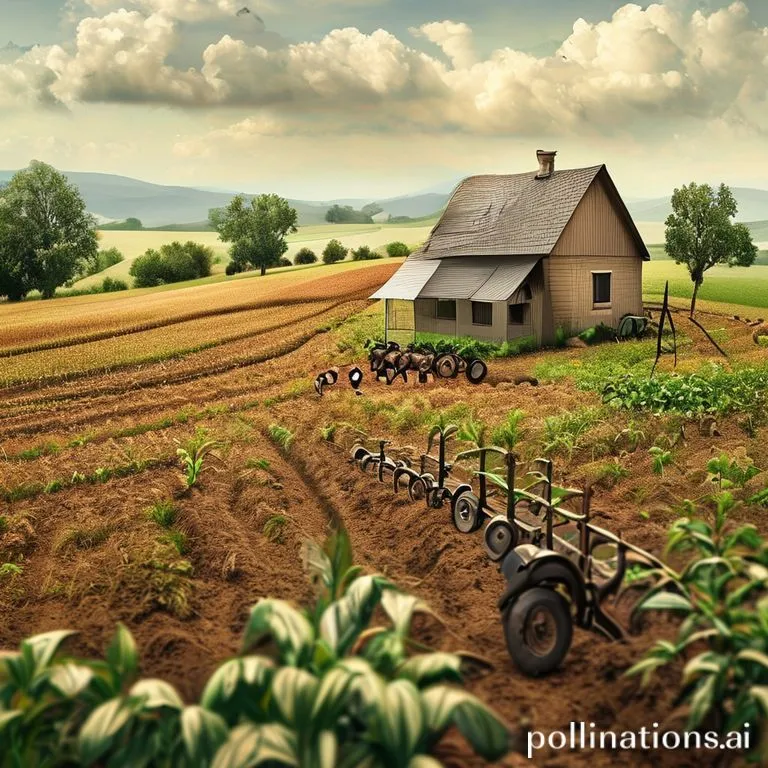
Basic agriculture is the deliberate cultivation of plants for food, fiber, and other products. It marked the transition from nomadic hunter-gatherer lifestyles to settled societies, enabling population growth and the development of civilizations.
Use / Function
- Food production: Reliable supply of calories (grains, tubers, legumes).
- Resource management: Selection of desirable plant traits (domestication).
- Sedentarism: Allows humans to live in one place permanently.
- Surplus: Production of more food than needed for immediate survival, enabling trade and specialized labor.
Operating principle
Agriculture exploits the natural life cycle of plants (seed, germination, growth, reproduction) by controlling the environment:
- Soil preparation: Clearing land and loosening soil to facilitate root growth.
- Sowing: Placing seeds at the correct depth and spacing.
- Maintenance: Protecting plants from competitors (weeds) and pests.
- Harvesting: Collecting the useful parts of the plant at maturity.
How to create it
The most basic form of agriculture (horticulture) requires:
- Cleared land: Use of fire or tools to remove wild vegetation.
- Digging tool: A simple pointed stick (digging stick) to make holes for seeds or tubers.
- Water source: Dependence on rainfall or proximity to rivers/lakes.
- Seed selection: Saving the best seeds from one harvest for the next planting.
Materials needed
- Essential: Seeds or cuttings, fertile soil, water.
- Tools:
- Digging stick: Hardwood.
- Hoe: Stone or bone blade attached to a wooden handle.
- Sickle: Flint or bone blades set in a curved wooden or bone handle for harvesting.
Variants and improvements
- Shifting cultivation: Clearing a patch of forest, farming it for a few years, then moving on (slash-and-burn).
- Permanent fields: Continuous use of the same land, requiring fertilization via Compost or manure.
- Greenhouse: Controlled environment to extend the growing season.
- Ploughing: Using animals to pull a heavy blade through the soil (advanced).
- Seed Drill: Mechanical sowing of seeds at controlled depths and intervals.
- Selective Breeding: Improving crop yields and resistance by selecting the best parents.
- Industrial agriculture: Use of machinery, Synthetic Fertilizer, and genetic engineering.
Limits and risks
- Crop Failure: Dependence on weather (drought, frost) can lead to famine.
- Pests and Diseases: Monocultures are vulnerable to rapid spread of infections.
- Soil Exhaustion: Continuous farming without replenishment depletes nutrients.
- Sedentary Diseases: High-density living near domesticated animals increases the risk of zoonotic diseases.