Generated with AI2 min read
Syringe
Brief description
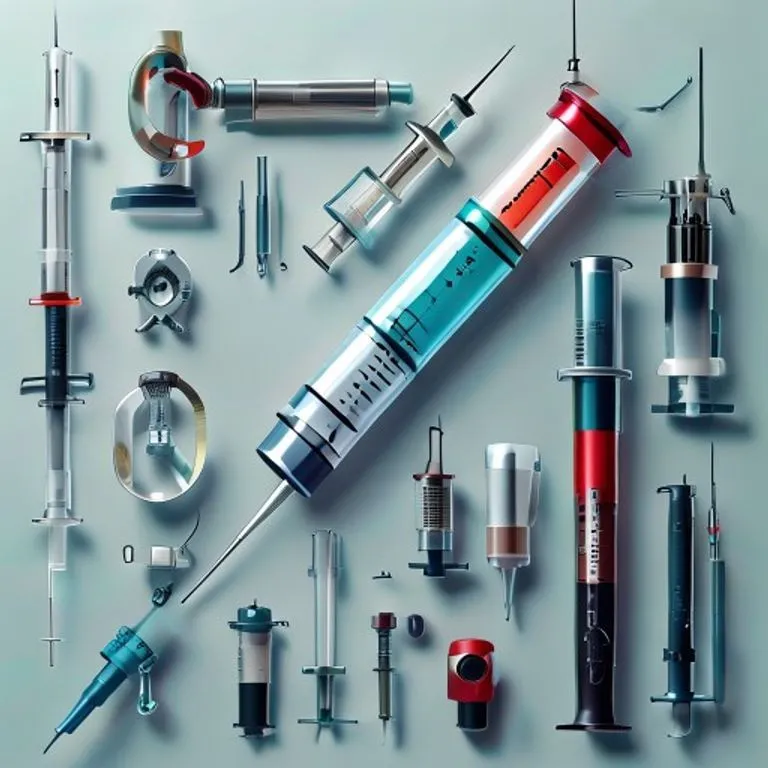
A syringe is a simple reciprocating pump consisting of a plunger that fits tightly within a cylindrical tube called a barrel. It is used to inject liquids into or withdraw them from the body or other systems.
Use / Function
- Medical: Injecting medicines or vaccines, withdrawing blood or other fluids, and irrigating wounds.
- Industrial: Precise application of lubricants, adhesives, or measuring small quantities of liquids.
- Scientific: Transferring precise volumes of reagents in a laboratory.
Operating principle
Suction and Pressure:
- Withdrawal: Pulling the plunger back increases the volume inside the barrel, creating a vacuum (lower pressure) that sucks fluid in through the orifice.
- Injection: Pushing the plunger reduces the volume, creating pressure that forces the fluid out through the orifice.
How to create it
1. The Barrel
- Use a transparent, heat-resistant tube (ideally borosilicate Glass or Plastic).
- One end must have a small tapered opening (nozzle) to attach a needle or tube.
2. The Plunger
- A rod made of metal or plastic that fits closely inside the barrel.
- The tip must have a seal made of Natural Rubber or leather to ensure it is airtight and watertight.
3. The Needle
- A hollow tube made of Stainless Steel.
- Requires advanced manufacturing (drawing metal into fine tubes) and sharpening.
4. Assembly
- Ensure all parts are clean and the seal is lubricated with a compatible substance (like medical-grade silicone or Vegetable Oil for non-medical use).
Materials needed
- Barrel: Glass, plastic, or even high-quality wood/bone (for very primitive suction).
- Plunger: Metal or plastic rod.
- Seal: Natural Rubber or oiled leather.
- Nozzle/Needle: Metal (preferably stainless steel).
Variants and improvements
- Glass Syringes: Reusable and easy to sterilize by boiling.
- Disposable Syringes: Made of plastic, intended for single use to prevent cross-contamination.
- Bulb Syringe: Uses a flexible rubber bulb instead of a plunger.
- Hypodermic Needle: A very fine, hollow needle capable of penetrating skin without causing significant trauma.
Limits and risks
- Contamination: If not properly sterilized, syringes can transmit deadly diseases (HIV, Hepatitis). See Sterilization.
- Air Embolism: Injecting air into a vein can be fatal. All air must be expelled before injection.
- Fragility: Glass syringes can break easily.
- Precision: Worn seals can lead to leaks and inaccurate dosing.