SyntheticGenerated with AI2 min read
Stainless Steel
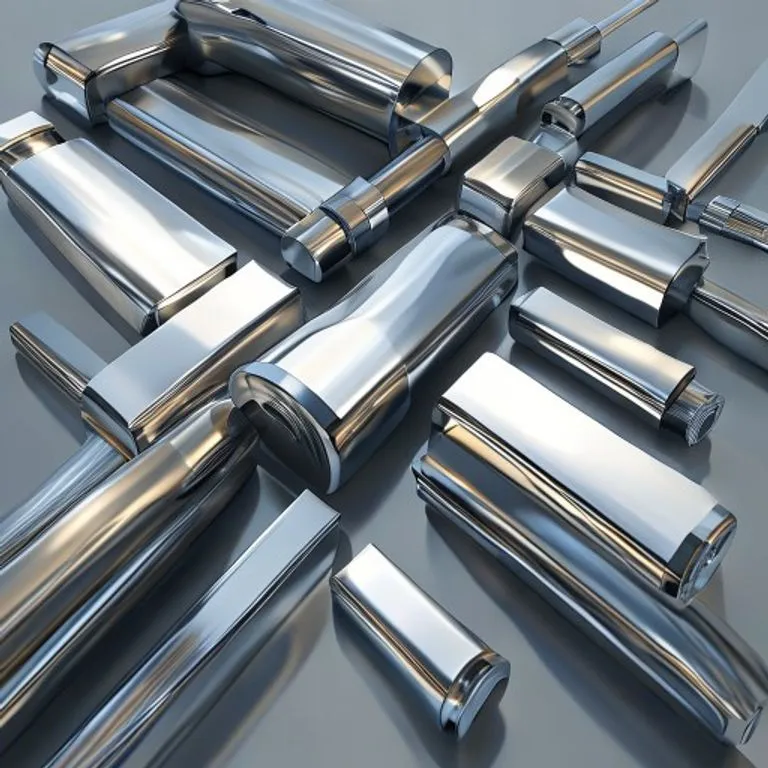
Stainless steel, also known as inox steel, is a steel alloy with a minimum of 10.5% chromium content by mass.
Description of what it is like
It is a silvery, shiny metal that does not stain, corrode, or rust as easily as ordinary steel. It is very strong and can be polished to a mirror-like finish.
Origin and where to find it
Minimum processing required
- Melting base iron in an Electric Arc Furnace or Bessemer-type converter.
- Adding precise amounts of ferrochromium and other alloys.
- Casting into billets or slabs.
- Hot and cold rolling to achieve desired thickness and finish.
Tools needed to work on it
- Specialized welding equipment (TIG or MIG).
- Hardened steel or carbide cutting tools.
- Abrasives for polishing.
Common forms of use
- Austenitic (300 series): Most common, highly corrosion resistant (e.g., 304, 316).
- Ferritic (400 series): Magnetic, good for decorative trim and mufflers.
- Martensitic: Harder, used for cutlery and surgical tools.
Possible substitutes
- Steel: Cheaper but rusts.
- Aluminium: Lighter but less durable and harder to weld.
- Titanium: Better properties but much more expensive.
Limitations and common failures
- Cost: More expensive than carbon steel.
- Pitting: Can still corrode in high-chloride environments (like seawater).
- Work Hardening: Becomes harder as it is worked, making machining difficult.
Risks and safety
- Heavy weight: Physical injury risk.
- Sharp edges: When cut into sheets.
- Welding fumes: Chromium fumes can be toxic.
Related materials
Properties
- Corrosion resistant
- Lustrous
- Strong
- Durable
Used for
- Cutlery and kitchenware
- Surgical instruments
- Chemical industry equipment
- Architectural cladding
Manufacturing / Process
Adding chromium (at least 10.5%) and other alloying elements like nickel to molten steel.