Generated with AI2 min read
Steam Bath
Brief description
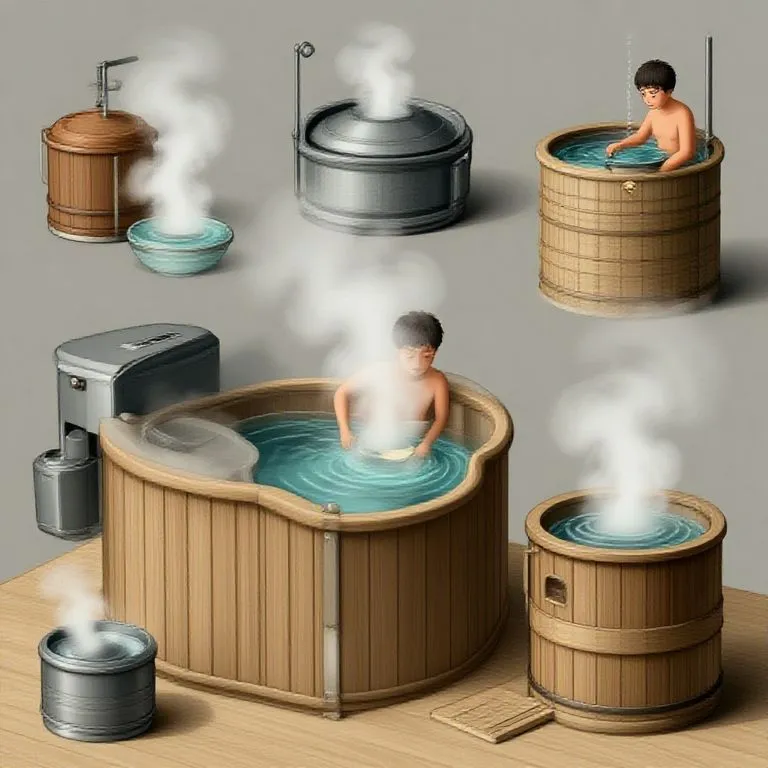
A steam bath is a heated enclosure that fills with moist heat to clean the body, relax muscles, and support recovery. It can be as simple as a tent over hot stones or as complex as a masonry room with a dedicated heat source.
Use / Function
- Hygiene: Deep cleaning with heat and sweat.
- Recovery: Relieves muscle soreness and joint stiffness.
- Respiratory relief: Humid heat can ease congestion.
- Ritual / social: Communal bathing and health practices.
- Scale: Individual to community.
Operating principle
- Heat storage: Stones or masonry absorb heat from a fire.
- Steam generation: Water is poured on the hot mass, rapidly evaporating.
- Humidity + heat: High humidity reduces evaporative cooling on skin, making the heat feel stronger at lower air temperatures.
- Ventilation control: Limited airflow keeps steam inside while allowing safe air exchange.
How to create it
- Minimum functional version: Heat stones in a fire, place them in a pit or stone circle, cover with a tent or blankets, and add water for steam.
- Enclosure: Build a small room of stone or brick with sealed gaps to retain steam.
- Heat source: External firebox or internal stone hearth. Route smoke out or heat stones outside.
- Drainage: Slight slope or a small drain to avoid pooling water.
- Technical level: Basic (steam tent) to Intermediate (masonry bath).
Materials needed
- Essential: Water, heat-resistant stone, wood for fuel.
- Structure: Brick and mortar for a permanent room.
- Tools: Shovel, hammer/maul for moving stones, containers for water.
- Substitutes: Earth walls, packed clay, or a bark/cloth tent for enclosure.
Variants and improvements
- Sweat lodge: Low dome with a fire pit outside and stones brought in.
- Sauna style: Dry heat with optional water splashes.
- Hammam style: Multiple rooms with gradually increasing heat.
- Herbal steam: Add healing herbs for aroma and respiratory comfort.
- Chimney draft: Add a chimney for cleaner air and better heat control.
Limits and risks
- Heat stress: Risk of dehydration, dizziness, or fainting.
- Burns: Hot stones and steam can scald skin.
- Smoke exposure: Poorly separated fire and steam areas can cause smoke inhalation.
- Hygiene: Wet spaces can grow mold if not dried and ventilated.
- Structural damage: Rapid heating and cooling can crack stone or masonry.