Generated with AI2 min read
Healing Herbs
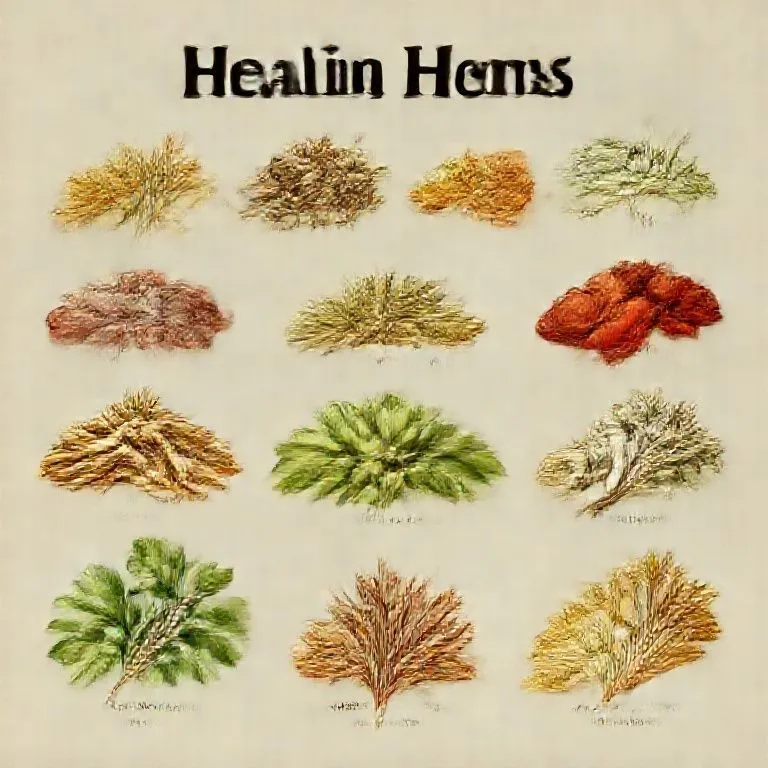
Healing herbs are specific medicinal plants chosen for their therapeutic effects and ease of preparation. They are used to soothe pain, fight infection, and support recovery in low-tech settings.
Description of what it is like
Usually leafy or flowering herbs with strong aromas and flavors. Many have resinous oils, bitter tastes, or soothing mucilage that signal bioactive compounds. Leaves and flowers are most common, but roots and bark are also used.
Origin and where to find it
- Environments: Meadows, forest edges, riverbanks, gardens, and disturbed soils.
- Signs: Distinctive scent, textured leaves, visible oils when crushed, or traditional local recognition.
- It is a natural material, often cultivated for reliability.
Minimum processing required
- Harvesting: Collect the correct plant part at peak potency.
- Cleaning: Remove soil, insects, and damaged parts.
- Drying: Air-dry in shade to prevent mold and preserve oils.
- Cutting/Crushing: Chop or grind to increase surface area.
- Storage: Keep in dry, sealed containers away from light.
Tools needed to work on it
- Knife or sickle for harvesting.
- Basket for collection.
- Drying rack or breathable cloth.
- Mortar and Pestle for grinding.
- Containers for storage.
Common forms of use
- Fresh poultice for wounds or inflammation.
- Dried infusions with Water.
- Tinctures with Alcohol.
- Infused oils with Vegetable Oil.
- Salves using Beeswax or Animal Fat.
Possible substitutes
- Other local herbs with similar effects (anti-inflammatory, antiseptic, or soothing).
- Alcohol as a disinfectant when herbs are unavailable.
- Modern pharmaceutical equivalents.
Limitations and common failures
- Misidentification can make remedies ineffective or dangerous.
- Potency varies by season, soil, and drying conditions.
- Improper drying leads to mold or loss of active oils.
- Overheating during preparation can destroy volatile compounds.
Risks and safety
- Toxicity: Some herbs are poisonous in high doses.
- Allergies: Skin or respiratory reactions are common for aromatic plants.
- Interactions: Can interfere with other medicines.
- Contamination: Avoid polluted harvesting sites.
Related materials
- Medicinal Plants: The broader category.
- Simple Medicines: Processing methods for stable remedies.
- Water: Base solvent for teas.
- Vegetable Oil: Carrier for infused oils.
- Beeswax: Thickener for salves.