Generated with AI3 min read
Nickel-Iron Battery
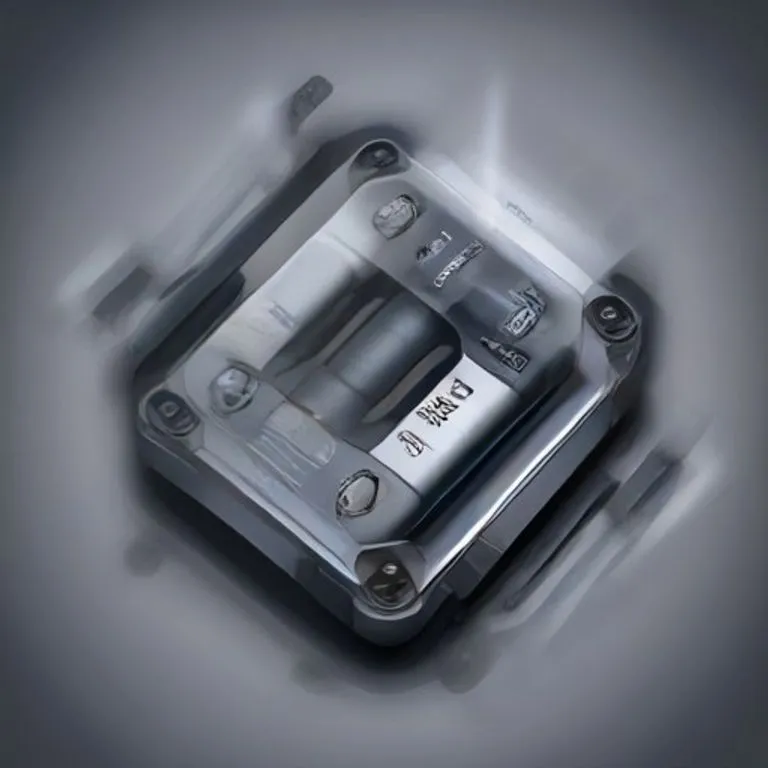
Brief description
The Nickel-Iron battery (also known as the Edison battery) is an exceptionally durable rechargeable battery that uses nickel oxide hydroxide for the positive plate, iron for the negative plate, and an alkaline caustic soda or potassium hydroxide solution as the electrolyte.
Use / Function
- Off-Grid Power Storage: Storing electricity generated by water wheels, wind turbines, or solar cells.
- Heavy Industrial Backup: Providing long-term surge power and emergency lighting without degradation over decades.
- Telecom & Signal Power: Powering remote radio transmitters, telegraph lines, and railway signalling.
Operating principle
The nickel-iron battery operates via an electrochemical reaction in an alkaline electrolyte:
- Discharge: The iron negative plate oxidizes (giving up electrons), while the nickel oxide hydroxide positive plate is reduced to nickel hydroxide.
- Charge: Reversing the current forces iron oxide back into metallic iron and oxidizes nickel hydroxide back into nickel oxide hydroxide.
- Electrolyte Stability: The alkaline electrolyte acts purely as an ionic conductor and is not consumed during the reaction, preventing plate degradation common in lead-acid batteries.
How to create it
- Plate Preparation: Cut perforated sheet metal pockets or steel grid frames to hold active materials.
- Active Materials: Pack pulverized iron oxide powder (or rusted iron filings) into the negative plate frames, and nickel oxide hydroxide into the positive plate frames.
- Container & Cell Assembly: Mount alternating positive and negative plates with non-conductive spacers inside a durable container.
- Electrolyte Mix: Dissolve caustic soda (sodium hydroxide) or potash in distilled water to achieve a ~20% concentration solution.
- Formation & Charging: Fill the cell with electrolyte and apply direct current (DC) from a generator for initial charge cycles until gas bubbles release uniformly.
Materials needed
- Conductors & Plates: Iron filings, Sheet Metal plates, and Wire terminals.
- Electrolyte: Caustic Soda (or potash) dissolved in Water.
- Housing: Steel container or alkali-resistant glass jar.
Variants and improvements
- Edison Cell Design: Perforated steel tubes filled with nickel flakes for maximum electrical conductivity.
- Nickel-Cadmium (NiCd): Higher discharge rates but relies on toxic and scarce cadmium.
- Nickel-Metal Hydride (NiMH): Modern compact variant with higher energy density.
Limits and risks
- Low Energy Density: Heavier and bulkier than modern lithium batteries for a given capacity.
- Self-Discharge: High self-discharge rate compared to lead-acid batteries when left idle.
- Gas Generation: Produces hydrogen gas during overcharging; requires ventilation to prevent explosive gas buildup.