Generated with AI2 min read
Electric generator
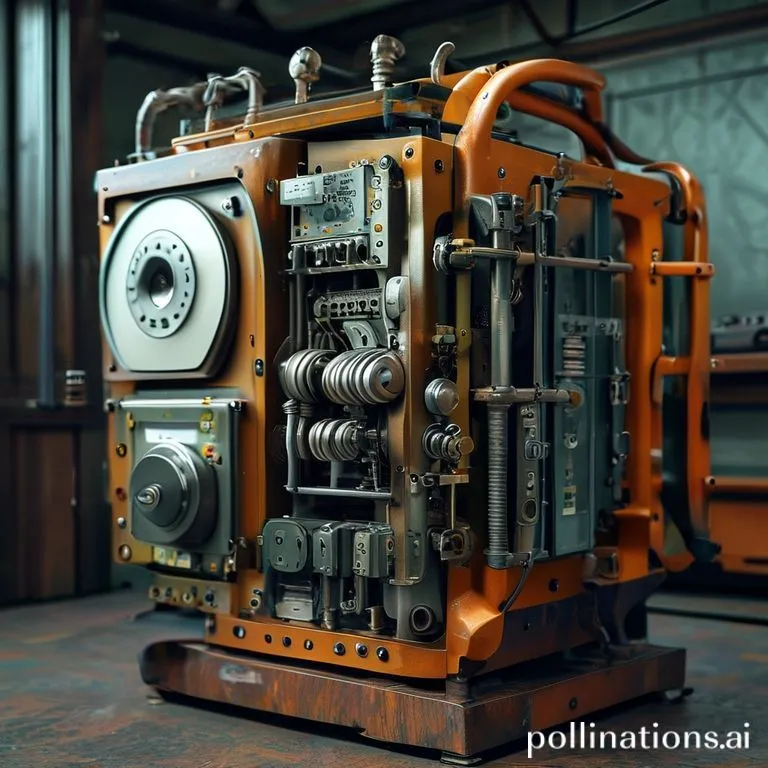
Brief description
An electric generator is a device that transforms mechanical energy into electrical energy, allowing the supply of current for various applications. It is a key technology in the field of Electricity.
Use / Function
- Energy: Electricity supply for lighting.
- Industry: Powering electric motors and machinery.
- Emergency: Backup systems in case of grid failure.
Operating principle
It is based on Faraday’s Law of electromagnetic induction. By moving a conductor (copper coil) within a magnetic field (magnets), an electromotive force is induced that generates a flow of electrons or electric current.
How to create it
- Build a coil by winding insulated copper wire many times around an axis.
- Place powerful magnets around the coil.
- Connect a shaft to a power source (crank, water wheel, turbine) to rotate the coil or the magnets.
Materials needed
- Conductor: Copper wire (essential for its low resistance).
- Magnetic field: Permanent magnets or electromagnets (iron core with copper).
- Structure: Iron for the core and wood or metal for the frame.
Variants and improvements
- Dynamo: Generates direct current (DC).
- Alternator: Generates alternating current (AC), more efficient for transport.
- Turbines: Large-scale generators driven by steam, water, or wind.
Limits and risks
- Shocks: Risk of electrocution if there is no insulation.
- Heat: The Joule effect generates heat that can melt insulation if overloaded.
- Dependence: Requires a constant source of mechanical energy.
Related inventions
- Galvanometer: Essential for detecting and measuring the current produced.
- Magnet: Provides the necessary magnetic field.
- Water Wheel: Can provide the rotational energy.