Generated with AI5 min read
Actinometer
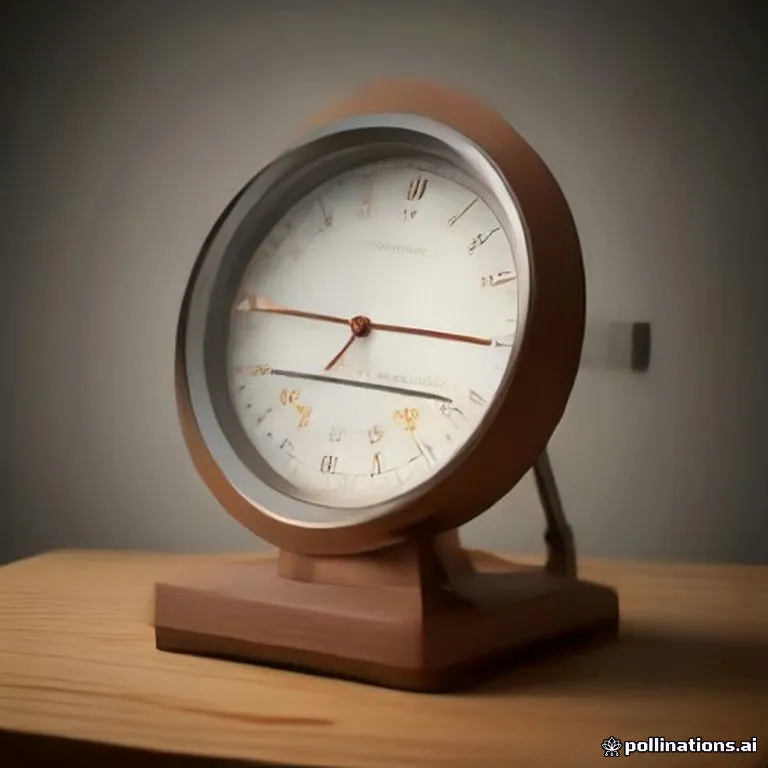
Brief description
An actinometer is a scientific instrument designed to measure the photochemical power and intensity of actinic radiation, primarily ultraviolet and visible solar light capable of causing chemical change. Invented in 1825 by Sir John Herschel and adapted by pioneer photographers and meteorologists such as Bunsen, Roscoe, and Hurter & Driffield, the actinometer played a fundamental role in astrophysics, early photography, and meteorology. By observing either the temperature increase of radiant heat absorption or the chemical reaction rate of photosensitive paper or chemicals, actinometers provided the first quantitative measurements of solar radiation strength outside the visible brightness spectrum.
Use / Function
- Solar Radiation Quantification: Measuring the chemical and heating intensity of solar rays at varying altitudes and atmospheric conditions.
- Photographic Exposure Calibration: Determining accurate plate exposure times in wet-collodion, daguerreotype, and early gelatin dry-plate photography.
- Atmospheric Transmission Research: Quantifying atmospheric dust absorption, haze extinction, and ozone attenuation of incoming ultraviolet light.
- Meteorological and Horticultural Monitoring: Tracking solar actinic energy necessary for photosynthesis, crop growth cycles, and environmental UV exposure.
Operating principle
- Photochemical or Thermal Activation: Photons in the blue, violet, and ultraviolet spectrum possess sufficient energy to overcome activation thresholds in chemical compounds or blackened thermal sensors.
- Herschel’s Differential Thermal Principle: In thermal actinometers, solar radiation passes through a clear glass aperture into a blackened liquid thermometer bulb; the heating rate is compared with readings taken in the shadow, isolating net absorbed radiant energy per unit time.
- Photochemical Reduction (Chemical Actinometer): In chemical actinometers, photosensitive paper treated with silver halide salts or ferric ammonium citrate (cyanotype chemistry) darkens in direct proportion to accumulated actinic exposure (Bunsen-Roscoe Reciprocity Law).
- Timed Density Comparison: The operator tracks the elapsed time in seconds required for a photosensitive strip to darken to an invariant standard comparison tint printed on the instrument face.
- Inverse Exposure Relation: High solar UV radiation darkens the test paper rapidly (e.g., 2 to 4 seconds), whereas weak overcast light requires longer intervals, directly giving the photographer or researcher the actinic factor.
How to create it
- Construct the Outer Enclosure: Assemble a light-tight circular or rectangular pocket housing from turned wood or stamped brass with a revolving bezel.
- Install the Aperture and Shutter: Create a circular exposure window on the faceplate covered by an internal spring-loaded shutter or slide operated by a thumb release.
- Imprint Standard Tint References: Paint or print permanent, lightfast reference tint zones (neutral grey or sepia) adjacent to the active exposure window for visual matching.
- Prepare Photosensitive Strips: Dip strips of unglazed paper into a solution of potassium bromide followed by silver nitrate (or photographic print-out paper emulsion), dry in absolute darkness, and wind into an internal roll cassette.
- Feed Mechanism Assembly: Mount a spool inside the housing that feeds fresh, unexposed test paper beneath the exposure aperture one section at a time.
- Calibrate and Test: Expose the instrument to full midday zenith sunlight with a stopwatch; record the exact seconds required for the paper to match the reference tint, establishing the instrument’s baseline actinic speed.
Materials needed
- Essential: Sturdy Wood or Metal (brass or tin) for the light-tight chassis; clear optical Glass for protective window covers; unglazed Paper treated with photographic salts for the chemical detector.
- Tools: Lathe or tinsmith shears, darkroom red safelight, stopwatch, precision balances for chemical mixing, drying rack.
- Substitutes: Herschel’s liquid actinometer uses a large thermometer bulb filled with deep blue ammonio-sulfate of copper or indigo solution instead of photosensitive paper.
Variants and improvements
- Herschel’s Liquid Thermometric Actinometer: The original astronomical design using a large thermometer bulb filled with dark liquid enclosed in a mahogany box with a sliding glass lid.
- Bunsen-Roscoe Chemical Photometer: Laboratory apparatus that measures the rate at which a mixture of hydrogen and chlorine gas combines into hydrogen chloride under the influence of light.
- Hurter & Driffield Actinograph: A specialized slide-rule calculation instrument that incorporated actinometer readings with lens apertures and plate sensitivities to calculate precise photographic exposures.
- Wynne and Watkins Exposure Meters: Pocket-watch sized actinometers widely used by field photographers from the 1890s through early 20th century featuring a revolving disc and roll of bromide paper.
Limits and risks
- Chemical Aging and Humidity: Photosensitive papers degrade or change sensitivity when exposed to atmospheric humidity, heat, or stale air inside the casing.
- Human Visual Match Discrepancy: Determining when the darkening paper exactly matches the reference tint relies on individual human color perception, introducing operator variance under tinted illumination.
- Spectral Selectivity: Chemical actinometers only respond to actinic blue and UV wavelengths, making them insensitive to red, orange, or infrared thermal radiation.