NaturalGenerated with AI2 min read
Bitumen
CnH2n+2
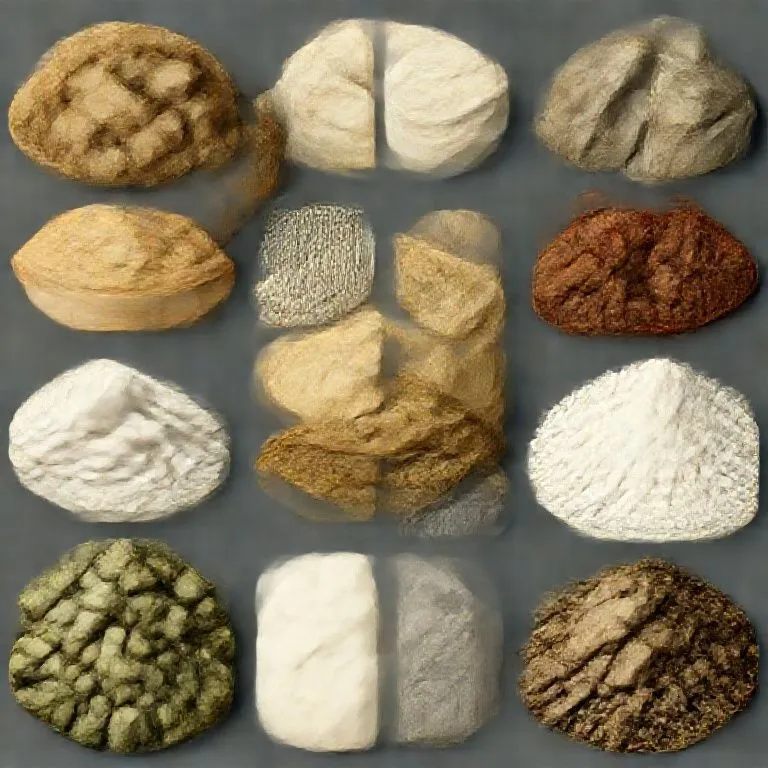
A black or dark brown non-crystalline soil or viscous material, composed principally of high molecular weight hydrocarbons.
Description of what it is like
It is a sticky, black, and highly viscous liquid or semi-solid form of petroleum. At room temperature, it can be solid and brittle, but when heated, it flows like a thick liquid. It is hydrophobic (repels water) and adhesive.
Origin and where to find it
- Natural Seeps: It seeps from the ground in certain areas (e.g., La Brea Tar Pits, Pitch Lake in Trinidad).
- Bituminous Rock: Sandstone or limestone impregnated with bitumen.
- Refined: Produced by the distillation of crude oil (the heavy fraction left behind).
Minimum processing required
- Collection: Gathering from seeps or mining bituminous rock.
- Purification: Heating to melt it and separate it from impurities like sand and water (decanting).
- Distillation (Advanced): Heating crude oil to remove lighter fractions (gasoline, kerosene) leaving bitumen.
Tools needed to work on it
- Containers: Pots or cauldrons for heating (must withstand heat).
- Heat Source: Fire to melt it.
- Applicators: Brushes or sticks to apply it hot.
Common forms of use
- Hot Melt: Applied while hot and liquid to waterproof surfaces or glue items.
- Mixed with Aggregate: Mixed with sand and gravel to make asphalt concrete.
Possible substitutes
- Pine Tar/Resin: For waterproofing and adhesion (from trees).
- Clay: For sealing (but not waterproof in the long term without firing).
- Wax: For waterproofing (less durable).
Limitations and common failures
- Temperature Sensitivity: Can become brittle in extreme cold and too soft/flowing in extreme heat.
- UV Degradation: Breaks down over time under direct sunlight (cracking).
Risks and safety
- Burns: Working with hot bitumen carries a high risk of severe burns.
- Fumes: Heating it releases fumes that can be irritating or toxic in enclosed spaces.
- Flammability: It is flammable, especially when overheated.
Related materials
- Asphalt: Often refers to the mixture of bitumen and aggregate.
- Tar: Produced from coal or wood, distinct from bitumen (petroleum-based).
Properties
- Viscous
- Waterproof
- Adhesive
- Thermoplastic
Used for
- Waterproofing
- Adhesive
- Road binding
- Roofing
Manufacturing / Process
Found in natural deposits (seeps, tar pits) or distilled from crude oil.