SyntheticGenerated with AI2 min read
Potash (Potassium Carbonate)
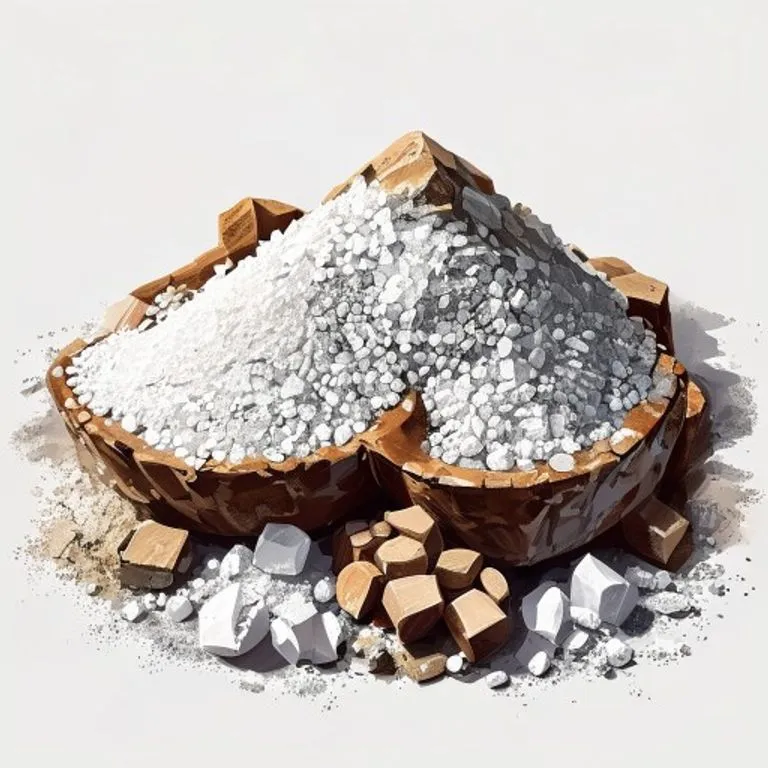
Potash is a potassium-rich salt (mostly potassium carbonate, K2CO3) traditionally obtained by leaching wood ashes and evaporating the solution. It is a cornerstone of early chemical industry.
Description of what it is like
- Appearance: White crystalline powder or granules.
- Taste: Sharp, alkaline, and salty.
- Solubility: Highly soluble in water.
Origin and where to find it
- Source: Primarily wood ashes from hardwood trees (oak, beech, maple).
- Process: Not found directly in nature in large quantities, but concentrated from the remains of land plants.
Minimum processing required
- Ash Collection: Gather white ashes from hardwood fires.
- Leaching: Place ashes in a barrel with a filtered bottom and pour water through them to extract the soluble salts.
- Evaporation: Boil the resulting liquid (lye) in large iron pots until a dry residue remains (Black ash).
- Calcination: Heat the black residue in a furnace to burn off impurities, leaving white “pearlash.”
Tools needed to work on it
- Leaching barrels: Vats or barrels with a layer of straw and gravel at the bottom.
- Iron pots: Large kettles for boiling the lye.
- Furnace: For calcining the crude potash into pearlash.
Common forms of use
- Flux: Lowers the melting point of silica for making Glass.
- Lye: Used for making soft Soap.
- Fertilizer: Directly applied to potassium-depleted soils to improve crop yields.
Possible substitutes
- Soda: Sodium carbonate from sea plants or mineral deposits; better for hard soap and more durable glass.
Limitations and common failures
- Hygroscopic: Absorbs moisture from the air, turning into a wet slurry if not stored in airtight containers.
- Impurity: If made from softwood ashes, the yield is lower and it contains more impurities.
Risks and safety
- Caustic: Concentrated potash solutions (lye) can cause severe chemical burns to skin and eyes.
- Ingestion: Highly toxic if swallowed.
Related materials
Properties
- White powder
- Alkaline
- Soluble in water
- Fertilizer
Used for
- Glass making (flux)
- Soap making
- Fertilizer
- Bleaching textiles
Manufacturing / Process
Leaching wood ash with water and evaporating the resulting lye in iron pots.