SyntheticGenerated with AI2 min read
Battery
Made of
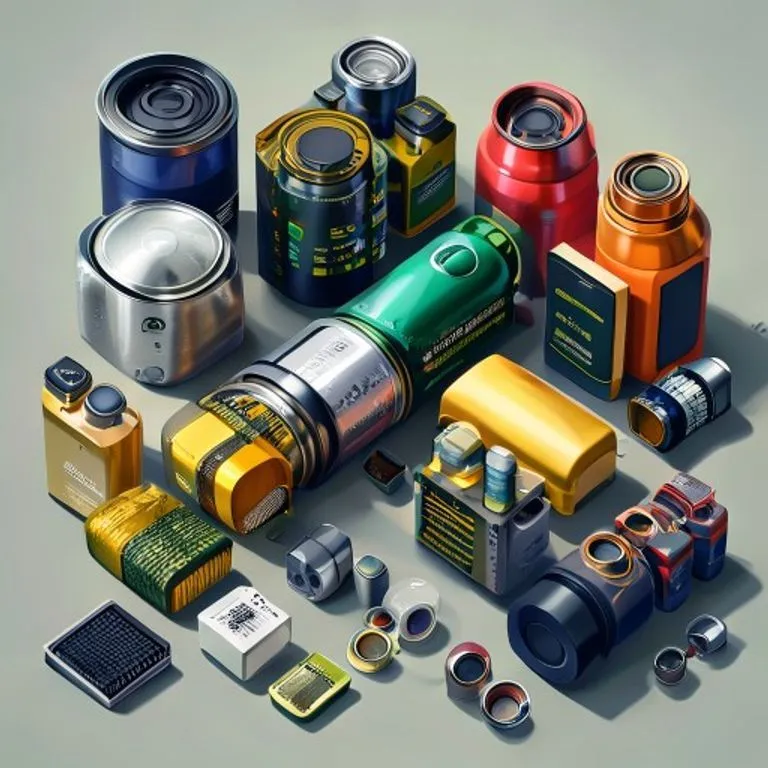
A battery (specifically a chemical cell or pile) is a device that converts stored chemical energy into electrical energy.
Description of what it is like
A primitive battery, like a Voltaic Pile, consists of a stack of metal discs. A Daniell cell involves jars with metal plates and liquid electrolytes. They are often heavy and contain corrosive liquids.
Origin and where to find it
- Not found in nature; must be constructed.
- Requires metals like Copper and Zinc, and an electrolyte like Sulfuric Acid or Vinegar.
Minimum processing required
- Refining metals into plates or wires.
- Producing or concentrating acids for the electrolyte.
- Assembly into cells.
Tools needed to work on it
- Metal shears or saws to cut plates.
- Glass or ceramic containers for the electrolyte.
- Wire for connections.
Common forms of use
- Voltaic Pile: The first battery, using zinc and copper discs separated by brine-soaked cardboard.
- Daniell Cell: Uses copper and zinc electrodes in copper sulfate and zinc sulfate solutions; more stable for telegraphs.
- Lead-Acid Battery: Rechargeable, using lead plates and sulfuric acid.
Possible substitutes
- Electric Generator: For continuous power.
- Leyden Jar: For storing static electricity (brief bursts).
Limitations and common failures
- Leakage: Corrosive electrolytes can leak and destroy equipment.
- Depletion: Chemical components are consumed over time.
- Polarization: Hydrogen bubbles can build up on plates, increasing resistance.
Risks and safety
- Acid Burns: Electrolytes are often strong acids.
- Toxic Fumes: Some cells can release hydrogen or other gases.
- Short Circuits: Can cause rapid heating and fire.
Related materials
Properties
- Energy storage
- Portable
- Direct current
Used for
- Portable power for **[Telegraph](/en/inventions/telegraph)**
- Power for **[Electroplating](/en/inventions/electroplating)**
- Lighting with **[Incandescent Light Bulb](/en/inventions/light-bulb)**
Manufacturing / Process
Assembling alternating plates of different metals (like copper and zinc) separated by an electrolyte-soaked material or immersed in an acid solution.