Generated with AI3 min read
Salt & Preservation
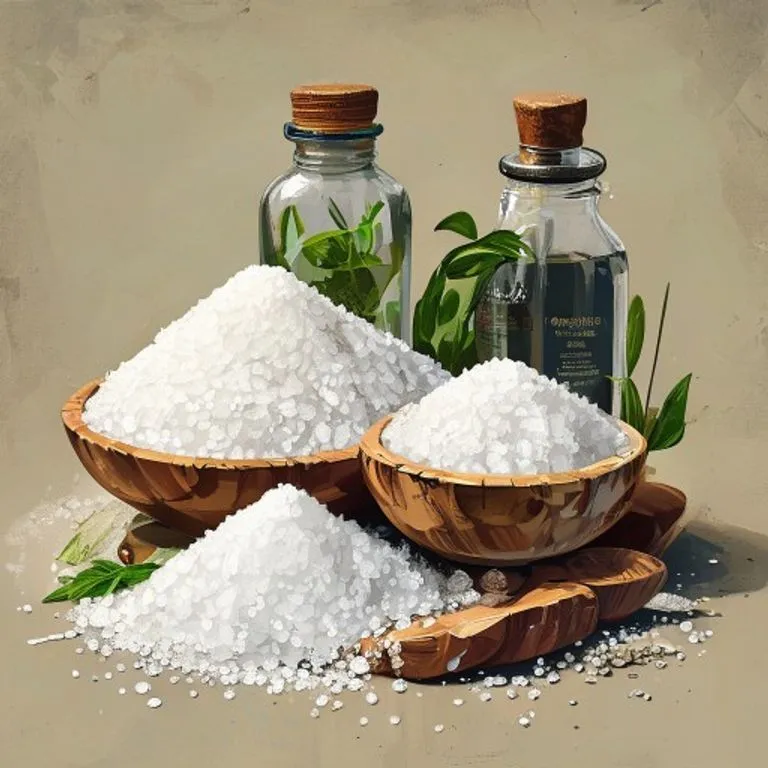
Brief description
Salt preservation is a set of techniques that use salt, brine, or salt-assisted drying to keep food safe and stable for long periods. It is a foundational method for securing calories, especially when harvests or hunting are seasonal.
Use / Function
- Long-term storage: Keeps meat, fish, and vegetables usable for months.
- Safety: Limits the growth of spoilage microbes.
- Transport: Makes food lighter and more portable after drying.
- Flavor and texture: Concentrates flavors and creates firm textures.
- Community resilience: Supports stockpiles for winter or drought.
Operating principle
- Osmosis and dehydration: Salt draws water out of food and microbes, lowering water activity.
- Brine control: Salt dissolved in Water creates a stable salty environment that inhibits bacteria.
- Secondary barriers: Drying, smoke from Fire, or acidity from Vinegar add extra protection.
- Evaporation: Evaporation removes surface moisture to speed drying and concentrate brine.
- Exclusion: Covering with Animal Fat can reduce oxygen exposure.
How to create it
- Select food: Use fresh meat, fish, or vegetables and trim damaged parts.
- Choose method:
- Dry cure: Rub with salt (2–5% by weight) and rest until liquid draws out.
- Brine: Dissolve salt in clean water (5–10% by weight) and fully submerge.
- Pack and weigh: Use a clean Container and a weight to keep food under brine.
- Hold time: Keep in a cool, shaded place until the texture firms.
- Finish: Air-dry, smoke, or store in sealed containers for longer life.
Materials needed
- Essential: Salt, fresh food, clean Water, and clean Containers.
- Tools: Knife, scale or measuring cups, weights, drying rack.
- Possible substitutes: Drying or smoking with Fire, fermentation, or acid preservation with Vinegar.
Variants and improvements
- Dry curing: Salt only, sometimes with herbs or spices.
- Wet brining: Salt dissolved in water for even penetration.
- Pickling: Salt plus acid from Vinegar.
- Fermentation: Salted vegetables preserved by Fermentation.
- Confit: Slow cooking and storage under Animal Fat.
- Solar evaporation: Shallow trays or pans to speed water loss in dry climates.
- Modern: Refrigeration, vacuum sealing, and pasteurization.
Limits and risks
- Undersalting: Can enable dangerous pathogens (botulism risk).
- Over-salting: Makes food too salty and dehydrating to eat.
- Contamination: Dirty tools or containers spoil batches.
- Moisture reentry: Poor sealing leads to mold or slime.
- Corrosion: Salt accelerates rusting of metal tools.
Related materials
- Salt: Primary preservative and osmotic agent.
- Water: Base for brine.
- Vinegar: Acid preservation and pickling.
- Wood: Smoking fuel and drying racks.
- Charcoal: Stable heat for low smoke drying.
- Animal Fat: Oxygen barrier for confit.
Related inventions
- Containers: Brining, storage, and transport.
- Fermentation: Salt-assisted lactic preservation.
- Controlled Fire: Drying and smoking.