Generated with AI3 min read
Winnowing Machine
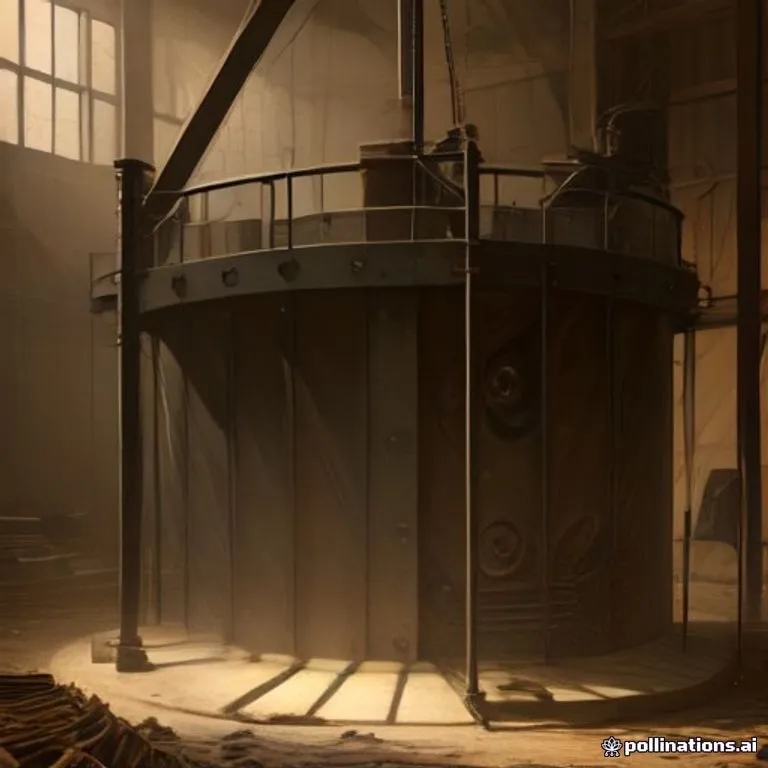
Brief description
A winnowing machine (or winnowing fan / winnower) is an agricultural machine that separates harvested grain from chaff, straw, and dust using forced airflow generated by a hand-cranked or belt-driven fan combined with reciprocating sieves. It replaced traditional hand winnowing, allowing grain cleaning independent of natural wind conditions.
Use / Function
- Grain Cleaning: Rapidly separates wheat, rice, barley, and oats from lighter chaff, husks, and weed seeds.
- Post-Harvest Processing: Prepares clean grain for milling into flour, seed storage, or market distribution.
- Scale: Farmstead or village-level agricultural processing.
Operating principle
- Gravity Feed: Threshed grain mixture is loaded into an upper hopper and fed gradually into the machine.
- Forced Air Separation: A rotating rotary fan creates a steady horizontal airstream across the falling stream of grain.
- Aerodynamic Sorting: Dense heavy grains drop straight down onto collection chutes, while lighter chaff, straw, and empty husks are blown out through the rear exhaust port.
- Sieve Grading: Oscillating wire or perforated sheet metal sieves shake out oversized straw debris and undersized weed seeds.
How to create it
- Construct the Wooden Frame: Build a sturdy rectangular frame out of Wood to house the fan drum and sieve chamber.
- Build the Rotary Fan: Mount four or six wooden or canvas paddles made of Wood and Fabric onto a central axle turned by a hand crank or pulley.
- Enclose the Fan Housing: Build a curved wooden shroud around the fan to direct airflow into a focused horizontal stream towards the grain chute.
- Install Slanted Sieves: Suspend a set of interchangeable wire or mesh sieves on flexible wooden spring hangers linked to an eccentric crank arm on the fan shaft for shaking action.
- Add Feed Hopper and Outlets: Mount a top feeding hopper with an adjustable slide gate made of Iron or Wood and position sloping grain discharge chutes below.
Materials needed
- Structural Frame & Blades: Seasoned Wood boards and framing timber.
- Fan Paddles & Fittings: Fabric or lightweight wooden vanes, Iron axle, hand crank, bearings, and mesh sieves.
Variants and improvements
- Combined Winnower and Screen: Features multiple stacked vibrating sieves of varying mesh sizes to simultaneously clean and grade grain by kernel size.
- Power-Driven Winnower: Connected via belt drive to a stationary steam engine, water wheel, or tractor PTO shaft for high-volume grain handling.
- Combine Harvester Integration: Internal winnowing mechanisms form a core component of modern self-propelled combine harvesters.
Limits and risks
- Airspeed Calibration: Excessive fan speed blows light grain out with the chaff; insufficient airflow leaves dirty grain full of husks.
- Dust Hazard: Operating the machine releases airborne chaff dust, requiring respiratory protection or outdoor operation.
- Moisture Sensitivity: Damp grain or chaff clogs the sieves and reduces separation efficiency.