Generated with AI2 min read
Vacuum Tube
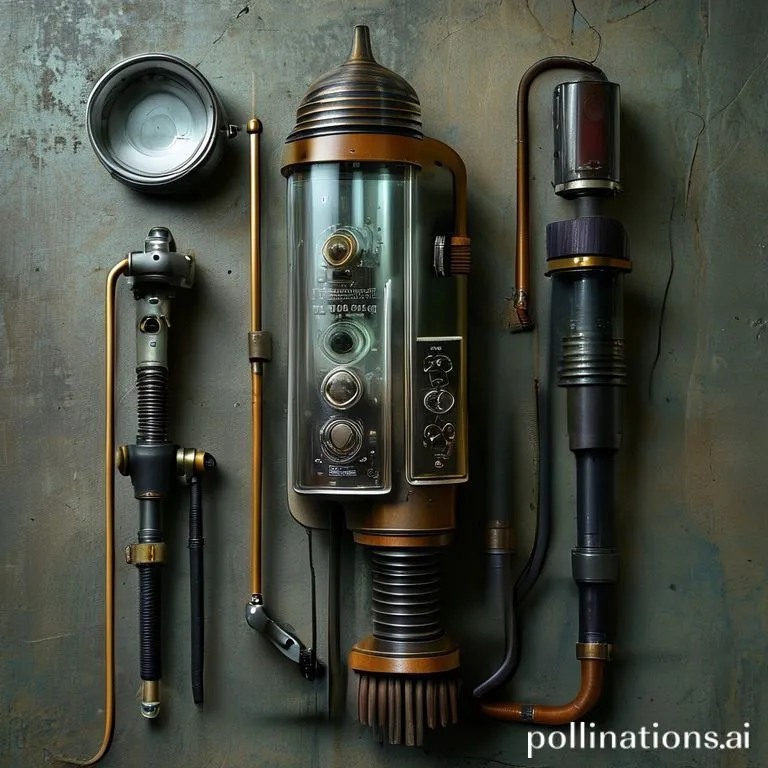
Brief description
A vacuum tube (or valve) is an electronic device that controls the flow of electric current in a high vacuum between electrodes to which an electric potential difference has been applied. It was the key component of early electronics (radio, TV, computers).
Use / Function
- Amplification: Increases the power of a weak signal (audio, radio).
- Switching: Acts as a fast on/off switch for digital logic (early computers).
- Rectification: Converts alternating current (AC) to direct current (DC).
- Oscillation: Generates radio frequency signals.
Operating principle
The vacuum tube is a key component in Basic Electronics.
It relies on thermionic emission:
- Cathode: A filament (tungsten) is heated until it emits electrons.
- Vacuum: The glass envelope is evacuated so air molecules don’t obstruct the electrons.
- Anode (Plate): A positively charged plate attracts the electrons, creating a current flow.
- Grid: A mesh placed between the cathode and anode controls the flow. A small voltage change on the grid causes a large change in current at the anode (amplification).
How to create it
- Envelope: Blow a glass bulb.
- Electrodes: Fabricate the cathode (filament), grid (fine wire), and anode (plate) from metal.
- Assembly: Mount the electrodes on a stem, ensuring they don’t touch.
- Sealing: Insert the assembly into the bulb and seal the glass.
- Evacuation: Use a Vacuum Pump to remove air through a small tube, then seal it off. A “getter” (reactive metal) is often flashed inside to absorb remaining gas.
Materials needed
- Glass: For the airtight envelope.
- Tungsten: For the heater filament (high melting point).
- Metals: Nickel or steel for the plate and grid; Copper for leads.
- Vacuum: Not a material, but an essential condition.
Variants and improvements
- Diode: Two electrodes (rectification).
- Triode: Three electrodes (amplification - the breakthrough).
- Pentode: Five electrodes (better efficiency and stability).
- Miniaturization: Smaller tubes for portable radios before transistors.
Limits and risks
- Heat: They get very hot and waste energy.
- Fragility: Glass can break easily.
- Voltage: Require high voltages to operate.
- Lifespan: Filaments eventually burn out.