Generated with AI3 min read
Spark Plug
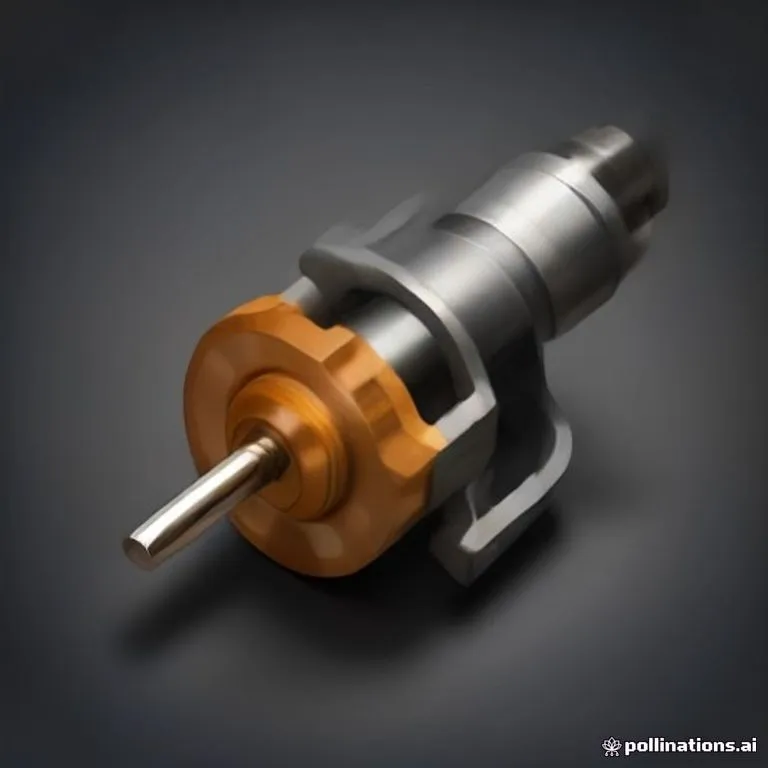
Brief description
A spark plug is an electrical device fitted into the cylinder head of a spark-ignition engine. It conducts high-voltage current from an ignition system into the combustion chamber to produce an electric spark, igniting compressed fuel and air.
Use / Function
- Primary use: Delivering thousands of high-voltage sparks per minute to ignite air-fuel mixtures in gasoline, alcohol, or gas engines.
- Secondary uses: Heat dissipation from the combustion chamber to the cylinder head cooling system.
- Scale: Small two-stroke engines up to high-performance aircraft and automotive engines.
Operating principle
Dielectric Breakdown and Thermal Conduction:
- High Voltage Pulse: An ignition coil generates a pulse of 12,000 to 25,000 volts along the central conductor wire.
- Dielectric Breakdown: The intense electric field between the central electrode and ground electrode ionizes the gas gap, making it conductive.
- Plasma Spark: Current arcs across the gap, forming a high-temperature plasma spark that ignites the compressed gas.
- Heat Transfer: The ceramic insulator absorbs combustion heat and transfers it to the metal shell and cylinder head.
How to create it
Basic Ceramic Spark Plug
- Machine a threaded metal shell out of Steel with an external hex nut shape and ground electrode tab.
- Form a dense, heat-resistant Ceramics insulator body (alumina porcelain) with a central axial bore.
- Insert a Copper core conductor with a high-nickel tip inside the ceramic insulator bore.
- Seal the conductor inside the insulator using conductive glass frit or copper powder compressed under heat.
- Press-fit or crimp the ceramic insulator tightly inside the threaded steel shell with copper sealing gaskets.
- Bend the ground electrode to establish a precise gap (0.6–1.0 mm) relative to the central electrode.
Materials needed
- Electrodes: Copper or nickel alloy (or platinum/iridium for longevity).
- Insulator: High-purity sintered Ceramics (Alumina Porcelain).
- Shell & Threads: Low-carbon Steel.
- Seals: Copper washers or conductive glass powder.
- Tools: Threading lathe, ceramic kiln, electrode gapping gauge.
Variants and improvements
- Hot vs Cold Plugs: Varying length of insulator nose to control operating heat range.
- Resistor Spark Plugs: Internal ceramic resistor to suppress radio-frequency electromagnetic interference.
- Multi-Ground Electrode Plugs: Multiple ground tabs to extend operational life and reduce erosion.
Limits and risks
- Insulator Cracking: Cracked ceramic allows high voltage to short to the metal body without producing a spark.
- Fouling: Carbon soot or oil accumulation short-circuits the electrode gap, preventing ignition.
- Pre-Ignition: Overheated electrodes can glow hot enough to ignite fuel before the spark occurs, risking severe engine damage.