Generated with AI3 min read
Simple Electric Generator
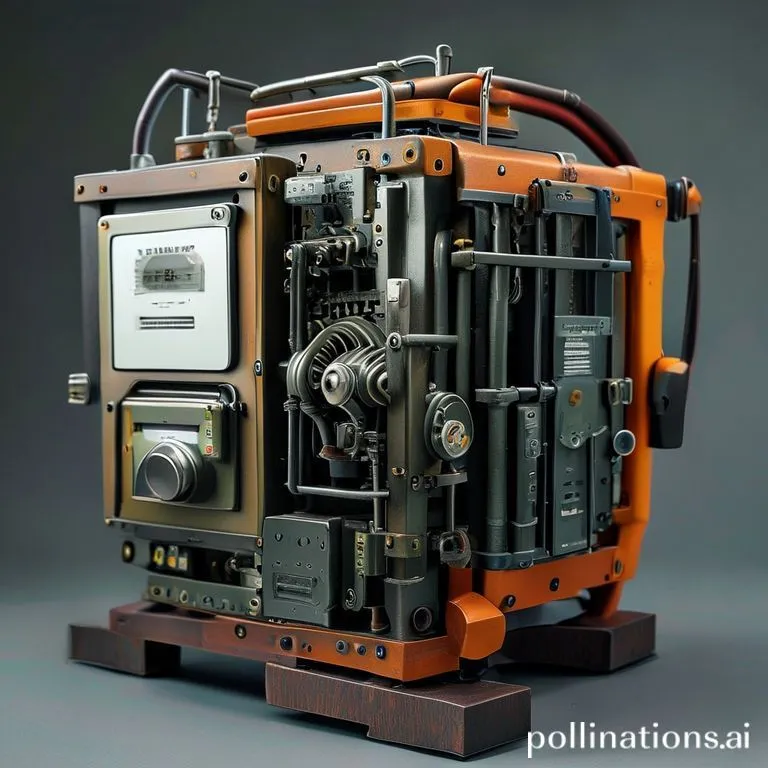
Brief description
A simple electric generator is a DIY device that converts mechanical energy into electricity using basic materials like copper wire and magnets. It demonstrates the fundamental principles of electromagnetic induction in a functional, survival-oriented package.
Use / Function
- Small-scale Power: Generating enough electricity to power small LED lights or charge simple batteries.
- Educational: Demonstrating how electricity works.
- Emergency Signal: Powering a small light for signaling.
Operating principle
It operates on Faraday’s Law of Induction. When a magnetic field (from rotating magnets) passes across a conductor (coils of copper wire), it induces an electron flow (current) in the wire. The mechanical rotation changes the magnetic flux through the coils, creating electricity.
How to create it
- Prepare the Stator: Create two large coils of insulated copper wire (hundreds of turns each) and mount them on a stationary wooden frame, facing each other with a small gap.
- Prepare the Rotor: Mount strong magnets (or lodestones if processed) on a shaft that can spin. The magnets should be arranged so that their poles (N/S) alternate.
- Assembly: Place the rotor between or near the stator coils. Ensure the magnets pass very close to the coils without touching them.
- Drive Mechanism: Attach a hand crank or a small pulley system to the rotor shaft to spin it rapidly.
- Output: Connect the ends of the coil wires to your load (e.g., an LED).
Materials needed
- Insulated Copper Wire: Thin, enamel-coated wire works best for coils (magnet wire).
- Magnets: Strong permanent magnets (salvaged or naturally occurring lodestones, though lodestones are very weak).
- Shaft: A straight metal or wooden rod (e.g., a large nail or dowel).
- Frame: Wood or scrap material to hold everything in place.
- Cardboard/Paper: To make the spool for the wire coils.
Variants and improvements
- Multi-pole Rotor: Using more magnets increases the frequency and smoothness of the output.
- Iron Core: Wrapping the wire around an iron core (like a bolt) significantly increases the magnetic field concentration and power output (though it creates “cogging”).
- Rectifier: Adding a diode (if available) converts the AC output to DC for charging batteries.
Limits and risks
- Low Power: A simple hand-built generator produces very low voltage and current, likely only enough for an LED, not heavy tools.
- Inconsistent Output: The voltage fluctuates with the speed of rotation.
- Wear: Homemade bearings (wood/metal) wear out quickly under high speed.