NaturalGenerated with AI2 min read
Magnetite
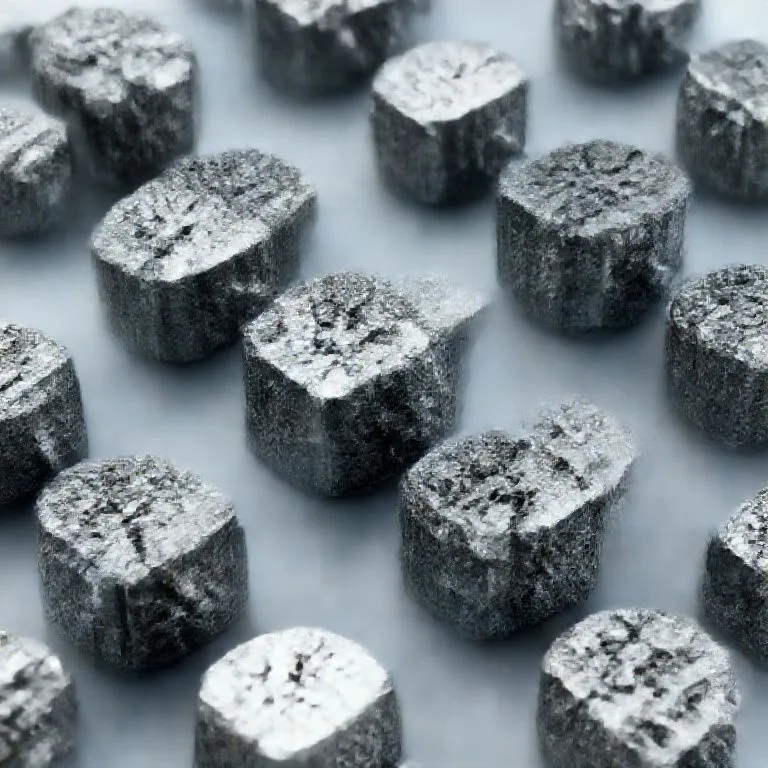
Magnetite is a rock mineral and one of the main iron ores. It is ferrimagnetic; it is attracted to a magnet and can be magnetized to become a permanent magnet itself. It is the most magnetic of all the naturally-occurring minerals on Earth.
Physical Description
Magnetite is black or brownish-black with a metallic luster. It is heavy and hard. Pieces that are naturally magnetized are called Lodestones. These were the first permanent magnets discovered by humans.
Origin and Where to Find It
- Environments: Found in igneous, metamorphic, and sedimentary rocks. Common in black sand beaches.
- Signs: Heavy black rocks. Can be found using a magnet on a string (it will stick).
- Natural Material: It is mined directly.
Minimum Processing Required
- Collection: Picking up lodestones or mining the ore.
- Shaping: Can be ground into a shape (like a spoon) for a primitive compass, though it is brittle.
Tools Needed to Work It
- Hammer/Pick: For extraction.
- Grinding stones: For shaping.
Common Forms of Use
- Lodestone: Used directly for magnetizing needles or as a primitive compass.
- Iron Ore: Smelted to produce iron.
Possible Substitutes
- Artificial Magnets: Created using electricity (electromagnets).
- Steel: Can be magnetized, but requires an initial magnetic source (like magnetite) or electricity.
Limitations and Common Failures
- Loss of Magnetism: Can lose magnetism if heated to high temperatures (Curie point) or struck violently.
- Brittleness: Like most rocks, it will shatter if hit hard.
Risks and Safety
- Heavy: Large rocks can cause injury if dropped.
- Safe: Generally non-toxic.
Related Materials
- Iron: The metal extracted from magnetite.
- Compass: The primary invention enabled by lodestone.
Properties
- Magnetic
- Heavy
- Black
- Metallic
Used for
- Compass
- Iron Production
- Navigation
Manufacturing / Process
Mined from the earth. Naturally magnetized pieces are known as Lodestones.