Generated with AI3 min read
Shoes
Brief description
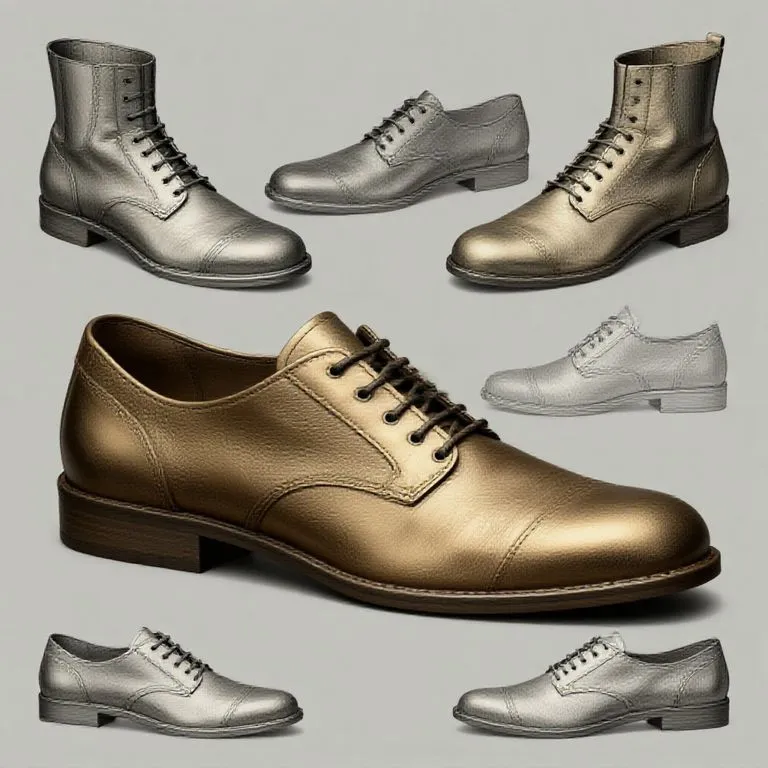
Shoes are items of footwear intended to protect and comfort the human foot. They are essential for mobility over rough terrain and protection against the elements.
Use / Function
- Protection: Shields feet from sharp rocks, thorns, hot sand, and snow.
- Insulation: Keeps feet warm in cold climates (frostbite prevention).
- Hygiene: Protects against parasites (hookworms) and infections entering through the soles.
- Traction: Improves grip on slippery or steep surfaces.
Operating principle
Shoes provide a durable barrier (sole) between the foot and the ground, distributing pressure and absorbing impact. The upper part secures the sole to the foot.
How to create it
Simple Sandals (Plant Fiber/Leather)
- Sole: Cut a piece of thick leather or weave tough plant fibers (yucca, straw) to the shape of the foot.
- Straps: Attach thongs or cords to the sole (between toes, around ankle) to hold it in place.
Moccasins/Simple Shoes (Leather)
- Pattern: Cut a single large piece of soft leather. The foot is placed in the center.
- Forming: Gather the leather up around the foot.
- Stitching: Sew the edges together along the top or heel using an awl and sinew/thread.
- Fitting: Use a drawstring around the ankle for a tight fit.
Complex Shoes (Sole + Upper)
- Lasting: Carve a wooden form (last) shaped like a foot.
- Sole: Cut a thick, durable sole (hard leather, wood, tire tread).
- Upper: Cut and sew softer leather pieces to form the upper shell.
- Assembly: Stitch or nail the upper to the sole, often using the last to shape it tightly.
Materials needed
- Sole: Thick leather (hide), Wood, Bark, Rubber.
- Upper: Soft leather, Fabric, Felt.
- Fasteners: Laces (cord), Buckles, Buttons.
- Tools: Awl, Needle, Knife, Last (for advanced shoes).
Variants and improvements
- Sandals: Open, breathable, good for hot climates.
- Moccasins: Soft, quiet, good for stealth and comfort.
- Boots: High-cut to protect ankles and lower legs from snakes, water, and mud.
- Clogs: Wooden shoes, excellent for wet/muddy conditions as they don’t rot like leather.
- Snowshoes: specialized frames to distribute weight over snow (worn over shoes).
Limits and risks
- Fit: Poorly fitting shoes cause blisters and deformities.
- Moisture: Wet shoes (especially leather) can lead to trench foot if not dried; they can also rot.
- Wear: Soles wear out and must be replaced or reinforced (hobnails).