Generated with AI2 min read
Mole Traps
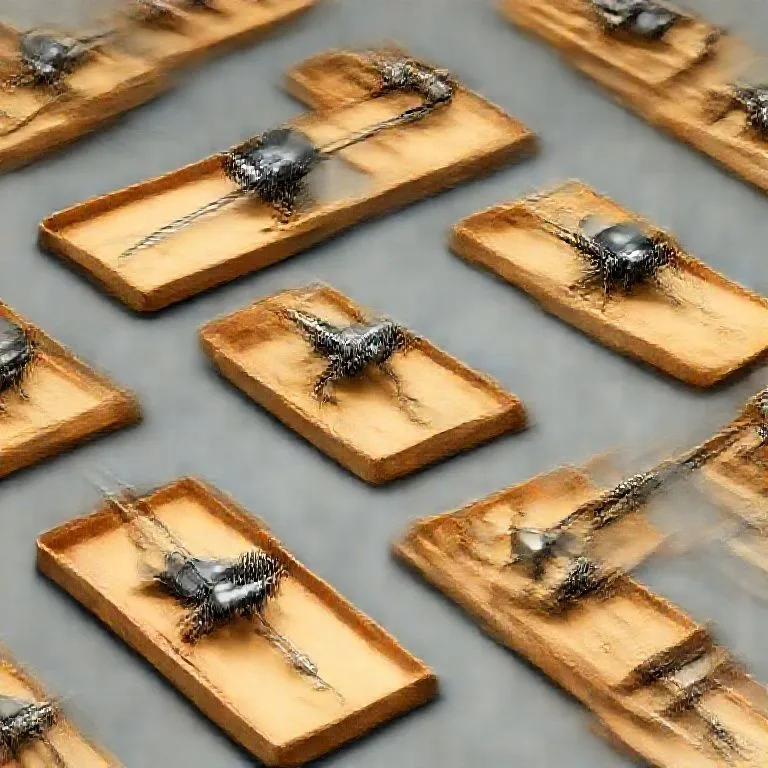
Made of
Brief description
Mole traps are mechanical devices placed in active tunnels to capture or kill moles, reducing damage to crops, roots, and irrigation lines.
Use / Function
- Pest control: Stops tunneling that undermines soil and roots.
- Crop protection: Prevents seedling loss and root pruning.
- Infrastructure protection: Reduces damage to paths, irrigation, and embankments.
- Scale: Farm, garden, and homestead.
Operating principle
The trap is set inside a tunnel and triggered by the animal’s movement or pressure against a trigger plate or wire. Stored energy (spring force, bent wire, or a weighted deadfall) releases quickly, closing a loop or jaws across the tunnel.
How to create it
- Locate an active tunnel: Press the surface to find fresh runs and reopen a small section.
- Choose a mechanism: A wire noose, scissor-style jaws, or a deadfall block.
- Prepare a guide: Use Wire or wooden guides so the trigger sits centered in the tunnel.
- Set the trigger: Light, balanced trigger that fires with slight pressure.
- Stabilize: Pack soil around the trap to prevent wobble and block light.
- Check regularly: Reset or remove when triggered.
Materials needed
- Essential: Wood frame or stakes, Steel or Iron for the spring or jaws.
- Tools: Shovel, knife, hammer, pliers.
- Substitutes: Plant fibers or Rope for noose traps, a Stone weight for deadfall.
Variants and improvements
- Scissor trap: Strong spring jaws for quick kill.
- Noose trap: Simple loop that tightens around the animal.
- Deadfall trap: Weighted stone or log triggered by a peg.
- Tunnel box: A covered box trap that blocks light and keeps pets away.
Limits and risks
- Non-target capture: Can harm pets or beneficial wildlife if placed poorly.
- Safety: Spring traps can injure hands during setting.
- Soil conditions: Loose or wet soil can misalign the trigger.
- Ethics and legality: Local rules may restrict lethal traps.