Generated with AI3 min read
Measuring Container
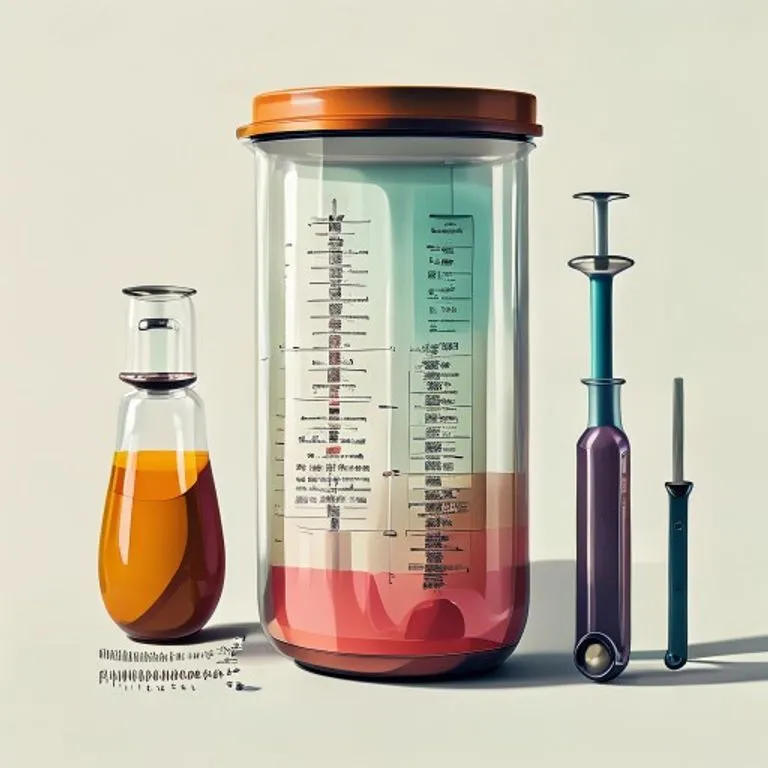
Brief description
A measuring container (cup, cylinder, or beaker) is a tool used to quantify the volume of liquids or pourable solids (like flour or grain). It relies on a known capacity marked on the vessel, allowing for consistent replication of recipes, chemical mixtures, and trade goods.
Use / Function
- Cooking/Baking: Measuring ingredients like water, milk, oil, or flour for recipes.
- Chemistry/Medicine: Precisely measuring reagents or liquid doses.
- Trade: Selling goods by volume (grain, wine, oil) rather than weight.
- Scale: Domestic (cups) to Industrial (barrels/tanks).
Operating principle
Displacement / Capacity. The container has a defined internal volume. When filled to a specific mark (graduation), the substance occupies that known volume.
- Calibration: The container is marked based on a standard unit (liter, cup, gallon).
- Filling: Liquid is poured until its surface (meniscus) reaches the desired mark.
- Reading: The volume is read directly from the scale.
How to create it
1. Simple Volume Standard (The Cup)
- Find a container: A gourd, horn, or clay pot.
- Calibrate: Fill it with a known weight of water (since 1g of water ≈ 1ml). Mark the level.
- Replicate: Use this master cup to fill others or mark levels on them.
2. Graduated Cylinder (Precision)
- Form: Create a tall, narrow cylinder (glass or transparent material is best). Narrower vessels reduce reading errors.
- Marking: Add water in small, known increments (e.g., using a small spoon or weight). Mark each level on the outside.
Materials needed
- Essential:
- Tools:
- Marking Tool: Etching tool for glass, paint for clay/metal.
- Standard: A known weight of water or another standard vessel.
- Substitutes:
- Natural containers: Bamboo sections, gourds, shells.
Variants and improvements
- Measuring Cup: Wide mouth, handle, spout. Good for cooking.
- Graduated Cylinder: Tall, narrow. High precision for science.
- Pipette/Burette: For moving or dispensing very small, precise volumes.
- Volumetric Flask: Designed to hold a single, precise volume at a specific temperature.
Limits and risks
- Meniscus Error: Water curves at the edges; read the bottom of the curve.
- Parallax: Reading from an angle causes errors; read at eye level.
- Temperature: Liquids expand with heat; precision glassware is calibrated for a specific temperature (usually 20°C).
- Material Reactivity: Some metals react with acids (vinegar, lemon juice). Glass is safest.