Generated with AI3 min read
Horse Collar
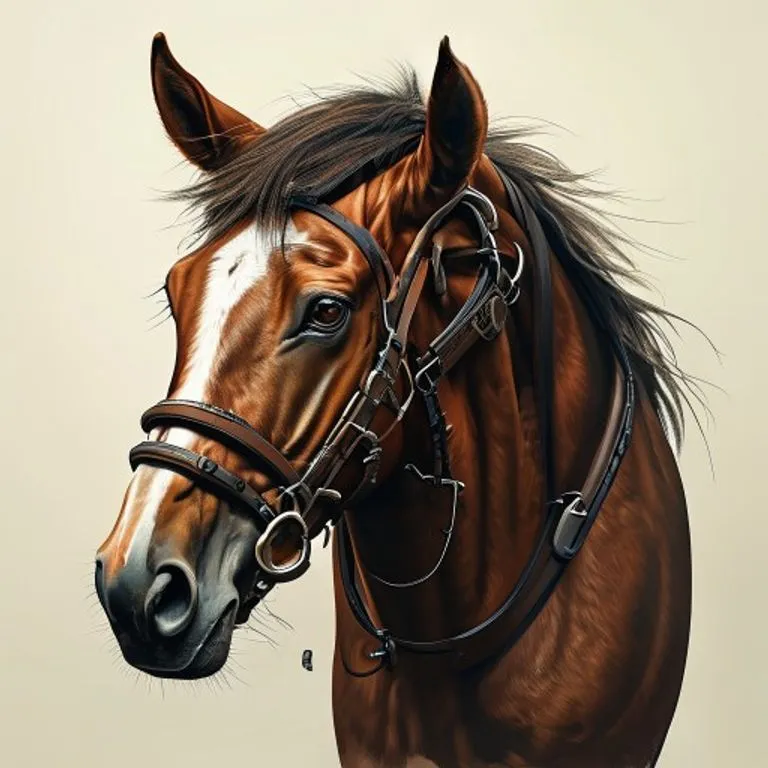
Brief description
The horse collar is a part of a horse harness used to distribute the load around a horse’s neck and shoulders when pulling a wagon or plow. Unlike the yoke, which is suited for oxen, the collar allows the horse to use its full strength without restricting its breathing.
Use / Function
- Heavy traction: Enables horses to pull significantly heavier loads (up to 50% more than with a yoke).
- Agriculture: Allows for the use of heavier plows in tougher soils.
- Transport: Facilitates long-distance hauling of goods and people more quickly and efficiently.
- Scale: Agricultural and industrial.
Operating principle
The horse collar shifts the point of traction from the horse’s neck (where a yoke would press on the windpipe) to its shoulders.
- Load distribution: The padded collar fits around the base of the neck, resting on the shoulder blades (scapulae).
- Airway preservation: By resting on the bony structure of the shoulders, it does not compress the trachea even under extreme exertion.
- Mechanical advantage: By allowing the horse to lean into the collar, it uses its full body weight and leg power more effectively.
How to create it
- Hames: Create two curved pieces of strong wood or iron that will form the outer frame.
- Padding: Fashion a thick, soft roll (the “body” of the collar) using leather or heavy canvas stuffed with straw, horsehair, or wool.
- Assembly: Securely fasten the hames to the padded roll. The hames should have eyes or hooks for the traces (the ropes or chains connecting to the load).
- Fitting: The collar must be custom-fit or adjustable for the specific horse to prevent rubbing and sores. It must be wide enough at the bottom to clear the windpipe.
- Trace attachment: Connect the traces to the hames at the point of maximum leverage (usually just above the shoulder joint).
Materials needed
- Frame: Hard Wood or Iron for the hames.
- Casing: Leather or heavy cloth.
- Filling: Straw, dried grass, or animal hair.
- Fasteners: Leather straps and buckles or iron bolts.
Variants and improvements
- Breastplate: A simple strap across the chest, suitable for light loads but less efficient than a full collar for heavy traction.
- Padded yoke: An intermediate step, but never as effective as the anatomical collar.
- Modern harness: Uses synthetic materials and precision-designed hames for maximum comfort and durability.
Limits and risks
- Poor fit: A collar that is too small will choke the horse; one that is too large will rub the shoulders raw.
- Maintenance: Leather must be kept clean and oiled to prevent it from becoming brittle and cracking, which can cause injury to the animal.
- Complexity: More difficult to manufacture than a simple yoke for oxen.