Generated with AI3 min read
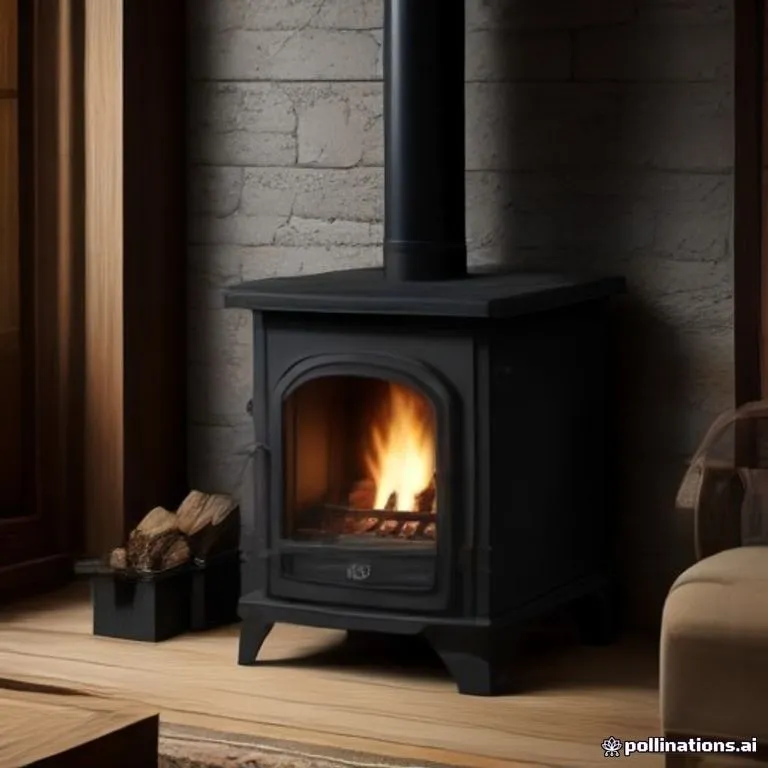
Gasifier Stove
Brief description
A gasifier stove (such as a Top-Lit Updraft or TLUD stove) is a highly efficient cooking device that burns biomass by first converting solid fuel into wood gas through pyrolysis, and then burning the gas with secondary air. It produces a hot, virtually smokeless flame and leaves high-quality biochar as a byproduct.
Use / Function
- Primary use: Clean, highly efficient cooking and water pasteurization using small biomass scraps.
- Secondary uses: Production of biochar for soil enrichment or metallurgical charcoal.
- Scale: Portable domestic cooking stoves to institutional food preparation units.
Operating principle
Pyrolysis and Staged Combustion:
- Top-Lit Updraft: Solid biomass fuel (wood pellets, twigs, coconut shells) is loaded into the fuel chamber and lit at the top.
- Pyrolysis Zone: The downward-migrating heat front breaks down the solid wood in an oxygen-starved environment, releasing combustible wood gas (carbon monoxide, hydrogen, and methane volatile compounds).
- Primary Air: A small controlled stream of primary air enters from small holes at the bottom of the fuel chamber to sustain the pyrolysis front without burning off the gases immediately.
- Secondary Air & Combustion: As wood gas rises to the top of the stove, preheated secondary air enters through top rim holes, igniting the wood gas into a bright, hot, clean flame.
How to create it
1. Outer & Inner Cylinders
- Select two concentric metal cans or sheet-metal cylinders (e.g., a 1-gallon paint can outer shell and a smaller soup/food can inner combustion chamber).
- Ensure an insulating air gap (1–2 cm) exists between the inner and outer walls to allow secondary air to rise and preheat.
2. Primary Air Vents
- Drill a ring of small holes (4–6 mm diameter) around the bottom floor or lower edge of the inner cylinder to admit primary draft air into the fuel bed.
3. Secondary Air Preheating Vents
- Drill air intake holes around the bottom rim of the outer cylinder.
- Drill a ring of secondary air injection holes around the top inside rim of the inner cylinder, just below the pot support level.
4. Pot Stand & Assembly
- Mount the inner cylinder inside the outer container with an airtight top collar seal so air entering the outer bottom holes is forced upward between the walls to exit at the top secondary holes.
- Place a raised metal wire or bracket pot support on top to maintain adequate space for gas combustion under cooking pots.
Materials needed
- Chamber Shells: Food-grade Sheet Metal, steel cans, or Metal drums.
- Fuel: Dry Wood chips, twigs, agricultural husks, or small branches.
- Tools: Drill, tin snips, and hole punchers.
Variants and improvements
- Forced-Draft TLUD: Incorporates a small 12V battery-powered fan or solar fan at the air intake to boost combustion efficiency and handle higher-moisture fuel.
- Rocket Stove Comparison: While a Rocket Stove feeds wood continuously into an L-shaped chamber, a gasifier stove is loaded once with batch fuel and operates in two distinct phases (gasification followed by char preservation).
Limits and risks
- Batch Operation: Operates in batch mode; once the fuel is pyrolyzed into biochar, the flame extinguishes and the biochar must be emptied before reloading and relighting.
- Carbon Monoxide: Produces carbon monoxide during startup and shutdown phases; must be operated in well-ventilated areas.
- Fuel Size Sensitivity: Requires uniformly sized dry biomass for smooth gasification; wet or overly dense logs will choke the pyrolysis draft.