Generated with AI2 min read
Splint
Brief description
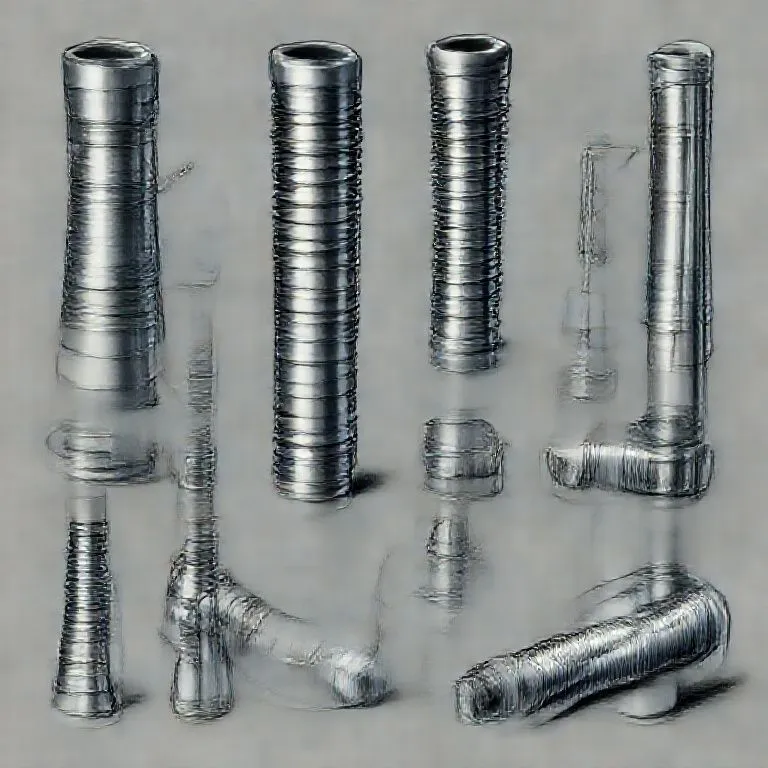
A splint is a rigid support that immobilizes an injured limb to reduce pain, prevent further damage, and allow healing.
Use / Function
- Immobilization: Keep bones and joints still after fractures or sprains.
- Protection: Prevent movements that worsen soft tissue damage.
- Transport: Enable safer movement of an injured person.
- Support: Maintain basic alignment while swelling decreases.
Operating principle
It combines rigidity, padding, and fixation. The splint blocks motion at the injured area and the joints above and below it, while padding distributes pressure and protects the skin.
How to create it
- Choose rigid supports: Two straight pieces of Wood, bark, or bone.
- Add padding: Wrap with Fabric, dry leaves, or soft fibers.
- Position without forcing: Keep the limb in a natural position and place the supports on both sides.
- Secure: Tie with fabric strips, Leather, or cordage from Plant Fibers.
- Check circulation: Look for color, temperature, and sensation. Loosen if numbness appears.
- Technical level: Basic.
Materials needed
- Essential: Rigid supports (wood, bark, or bone), padding, strong ties.
- Tools: Knife, scissors, or sharp stone for cutting.
- Substitutes: Straight branches, walking sticks, pack frames, rolled clothing.
Variants and improvements
- Double splint: Two parallel slats for higher stiffness.
- Soft splint: Thick padding and ties for minor injuries.
- Long splint: Immobilizes an entire leg or arm for long transports.
- Adjustable splint: Sliding knots to adapt to swelling.
Limits and risks
- Excess pressure: Can cut circulation or compress nerves.
- Bad alignment: Can worsen a fracture.
- Poor padding: Causes pressure sores and blisters.
- No re-checks: Swelling changes over time; reassess regularly.