Generated with AI3 min read
Electrolyzer
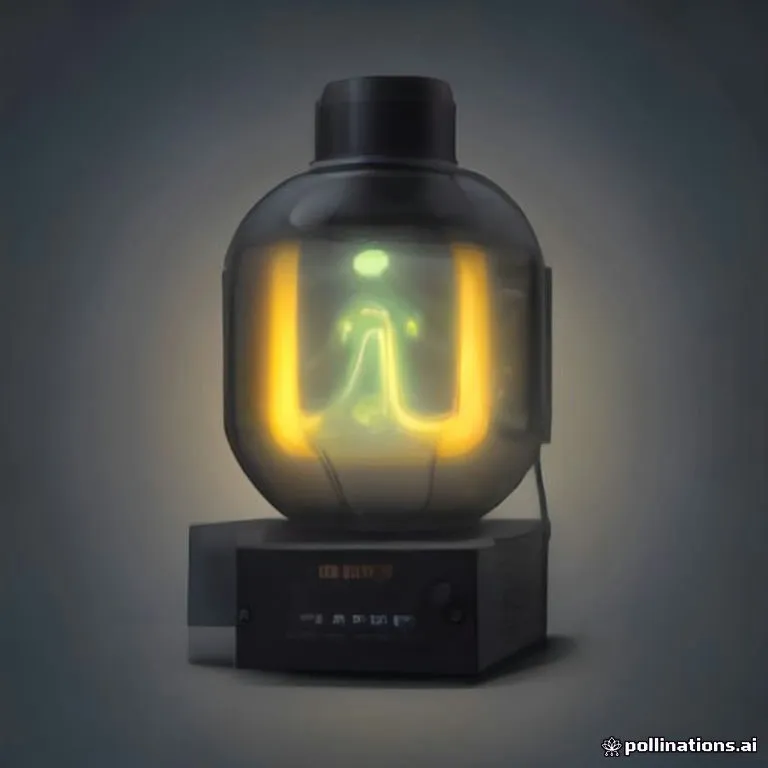
Brief description
An electrolyzer is an electrochemical apparatus that uses direct electric current (DC) to drive a non-spontaneous chemical reaction, splitting chemical compounds into their constituent elements. Crucial for post-industrial civilization, it enables the production of hydrogen and oxygen gases from water, as well as chlorine and caustic soda from saltwater.
Use / Function
- Fuel & Chemical Production: Produces hydrogen gas for fuel or chemical synthesis and pure oxygen for medical, industrial, or combustion purposes.
- Chloralkali Process: Electrolyzes brine (saltwater) to generate chlorine gas, hydrogen, and sodium hydroxide (caustic soda) for sanitation and soap-making.
- Electroplating & Metallurgy: Enables electroplating of metals and the electro-refining of copper and aluminum extraction.
- Scale: From small laboratory cell units to large industrial electrolysis banks.
Operating principle
- Direct Current Supply: A direct current (DC) electrical voltage source (battery, DC generator, or solar panel) is connected across two conductive electrodes.
- Ion Migration: Immersion of electrodes in an aqueous electrolyte solution (e.g., water with dissolved salt or acid) causes positive ions (cations) to migrate toward the negative cathode and negative ions (anions) toward the positive anode.
- Reduction at Cathode: At the negative electrode (cathode), electrons are transferred to cations or water molecules, producing hydrogen gas or deposited metal.
- Oxidation at Anode: At the positive electrode (anode), electrons are extracted from anions, liberating oxygen gas, chlorine gas, or other oxidized species.
- Gas Separation: A porous diaphragm or ion-exchange membrane keeps the generated gases separated to prevent explosive recombination.
How to create it
- Construct Electrolysis Cell Vessel: Prepare a corrosion-resistant glass or plastic container with dual compartments or a central divider.
- Mount Conductive Electrodes: Insert two inert conductive electrodes (such as graphite rods, stainless steel plates, or nickel mesh) into the vessel.
- Add Electrolyte Solution: Fill the vessel with distilled water mixed with a small amount of electrolyte (e.g., sodium hydroxide, sulfuric acid, or common salt) to increase electrical conductivity.
- Install Gas Capture Tubes: Position inverted glass test tubes or plastic collection bells over each electrode to capture evolving gas bubbles.
- Connect Electrical Circuit: Wire the anode and cathode to a DC power source (such as a Voltaic Pile, Daniell Cell, or Electric Generator).
- Seal and Test: Power the unit, verify bubble formation, and collect hydrogen at the cathode and oxygen/chlorine at the anode.
Materials needed
- Electrodes: Graphite, nickel, stainless steel, or platinum. Sourced from Copper and carbon materials.
- Electrolyte Source: Clean water mixed with salt, acid, or lye. Sourced from Water and Salt.
- Electrical Circuit: Conductive wiring and DC power supply. Sourced from Wire and Battery.
Variants and improvements
- Hoffmann Voltameter: Classical laboratory glassware unit with inverted calibrated tubes and a central funnel for precise gas volume measurement.
- Alkaline Electrolyzer: Industrial scale cell using a liquid potassium hydroxide (KOH) electrolyte and nickel electrodes.
- Proton Exchange Membrane (PEM) Electrolyzer: Modern high-efficiency cell using a solid polymer electrolyte membrane that operates under high pressure without liquid lye.
Limits and risks
- Explosion Hazard: Hydrogen and oxygen gases form highly explosive mixtures (oxyhydrogen) if allowed to mix near sparks or open flames.
- Toxic Gas Hazards: Electrolyzing sodium chloride brine releases toxic chlorine gas, requiring proper ventilation or closed scrubbing systems.
- Corrosion: Strong acids or alkalis used as electrolytes cause rapid chemical degradation of unsuited electrodes and vessel seals.