Generated with AI2 min read
Electric Motor
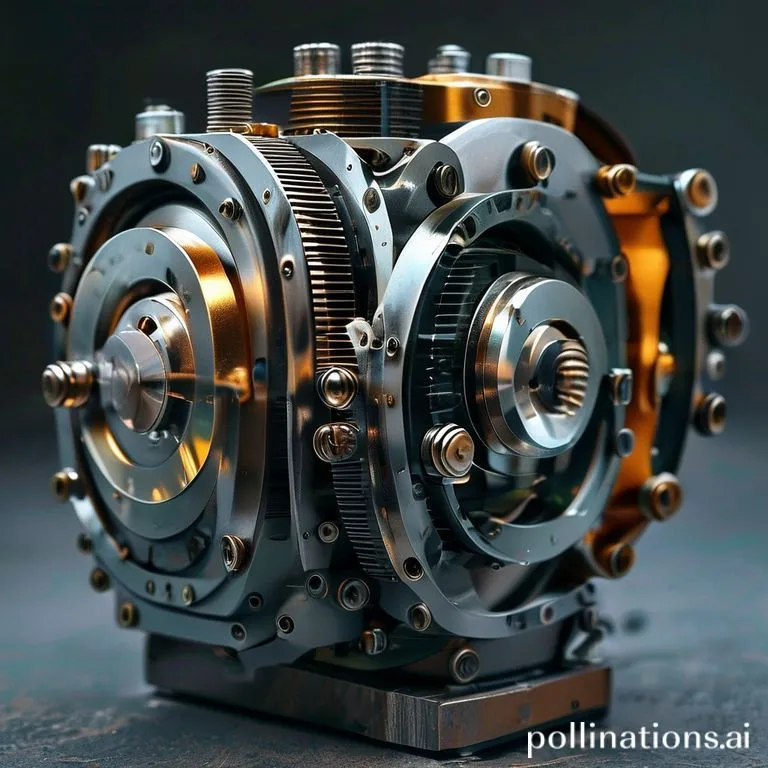
Brief description
An electric motor is a machine that converts electrical energy into mechanical energy. It is the reverse of an electric generator and is a fundamental application of Electricity for powering machinery, vehicles, and tools.
Use / Function
- Mechanical Power: Driving pumps, fans, tools, and vehicles.
- Automation: Enabling automated movement in machinery.
- Efficiency: Converting electricity into work with high efficiency compared to heat engines.
Operating principle
It operates on the Lorentz force principle. When an electric current flows through a wire coil placed in a magnetic field, a force is exerted on the wire, causing it to move. By arranging the coil on a shaft (rotor) and alternating the current direction with a commutator, continuous rotation is achieved.
How to create it
- Stator: Create a stationary magnetic field using permanent magnets (magnetite/steel) or electromagnets (coils on iron cores).
- Rotor (Armature): Wind copper wire around a shaft or iron core to form the spinning coil.
- Commutator (for DC): Attach split metal rings to the shaft, insulated from each other. Connect the coil ends to these rings.
- Brushes: Use conductive brushes (carbon or copper strips) to slide against the commutator and supply current to the spinning coil.
- Assembly: Mount the rotor inside the stator so it can spin freely.
- Power: Connect a battery or DC source to the brushes.
Materials needed
- Copper Wire: For the coils (low resistance is crucial).
- Magnets: Permanent magnets or electromagnets.
- Iron/Steel: For the core to concentrate magnetic flux and for the shaft.
- Conductive strips: For the commutator and brushes.
- Insulation: Varnish or fabric for the wire.
Variants and improvements
- DC Motor: Simple, easy to control speed with voltage. Requires commutator.
- AC Motor: Uses alternating current. Induction motors are very durable (no brushes).
- Universal Motor: Can run on AC or DC (series wound).
- Brushless DC: Electronic commutation, high efficiency and reliability (requires electronics).
Limits and risks
- Overheating: High currents generate heat (Joule effect) which can melt insulation.
- Wear: Brushes and commutator wear out mechanically and spark.
- Torque/Speed: Different designs trade off torque vs speed.
- Short Circuits: Poor insulation can cause failure.