Generated with AI3 min read
Barbed Wire
Brief description
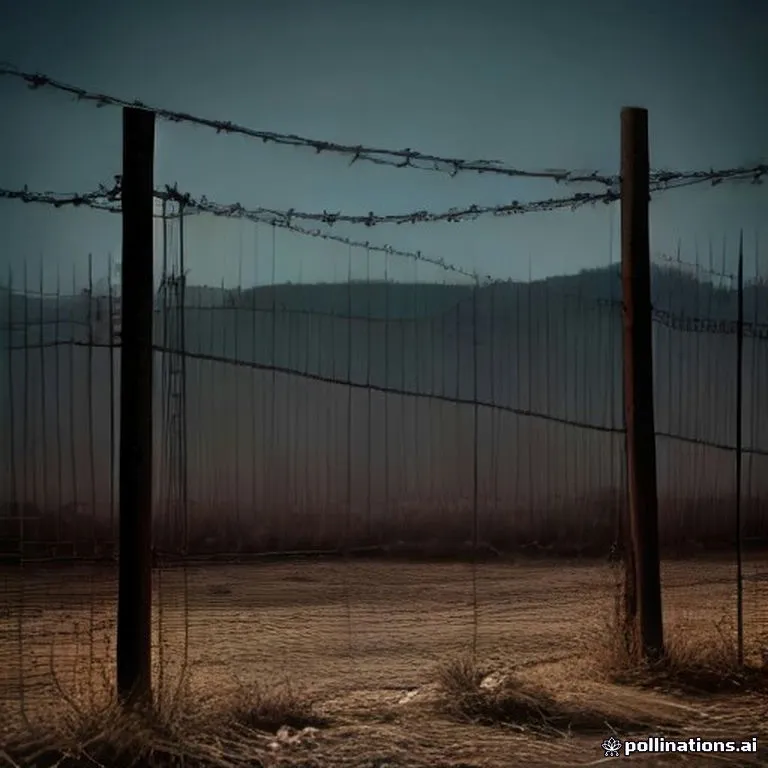
Barbed wire is a type of steel fencing wire constructed with sharp edges or points arranged at intervals along the strands. It is used to construct inexpensive fences and control livestock or secure perimeters.
Use / Function
- Livestock Containment: Restricting cattle and other farm animals within designated pasture boundaries.
- Property Demarcation: Establishing agricultural and private property boundaries quickly over large areas.
- Security & Defense: Inhibiting unwanted human or animal intrusion around perimeters.
- Scale: Agricultural, regional, and industrial.
Operating principle
Barbed wire works on physical deterrence through localized mechanical pressure. Sharp metal points (barbs) concentrate force into very small surface areas when an animal or intruder presses against them, causing discomfort or physical restraint without requiring massive solid barriers like stone or timber walls.
How to create it
- Draw Wire: Extrude or draw mild or medium-carbon steel into flexible, high-tensile wire strands.
- Form Barbs: Cut short lengths of steel wire at sharp diagonal angles to create pointed tips.
- Twist and Wrap: Mechanically wrap the pointed wire pieces around a primary longitudinal carrier wire at regular intervals (e.g., every 7–15 cm).
- Double Strand Twisting: Intertwine a second carrier strand around the first to lock the barbs securely in place and prevent slipping.
- Galvanize (Optional): Pass the twisted wire through a bath of molten zinc to provide corrosion resistance against outdoor weather.
Materials needed
- Essential materials:
- Tools:
- Pliers: For bending and twisting wire manually on a small scale.
- Wire twisting jig or winding machine: To automate uniform barb spacing and strand twisting.
- Possible substitutes:
- Iron wire: Softer and more prone to sagging, but usable if high-tensile steel is unavailable.
Variants and improvements
- Single-Strand Barbed Wire: Simpler to manufacture but barbs can slide over time without secondary strand interlocking.
- Double-Strand Barbed Wire: Standard modern design where two strands are twisted together to lock barbs tightly.
- Razor Wire (Concertina): High-security variation using flat steel ribbons with continuous razor-sharp cutting edges clipped onto high-tensile wire cores.
Limits and risks
- Animal Injury: Can cause severe cuts or hide damage to livestock if livestock panic or are overcrowded.
- Rust and Tension Loss: Un-galvanized wire rusts quickly, losing tensile strength and sagging over distance.
- Installation Hazard: Handling requires heavy protective leather gloves and tensioning tools to avoid serious puncture or laceration injuries.