NaturalGenerated with AI2 min read
Peanut
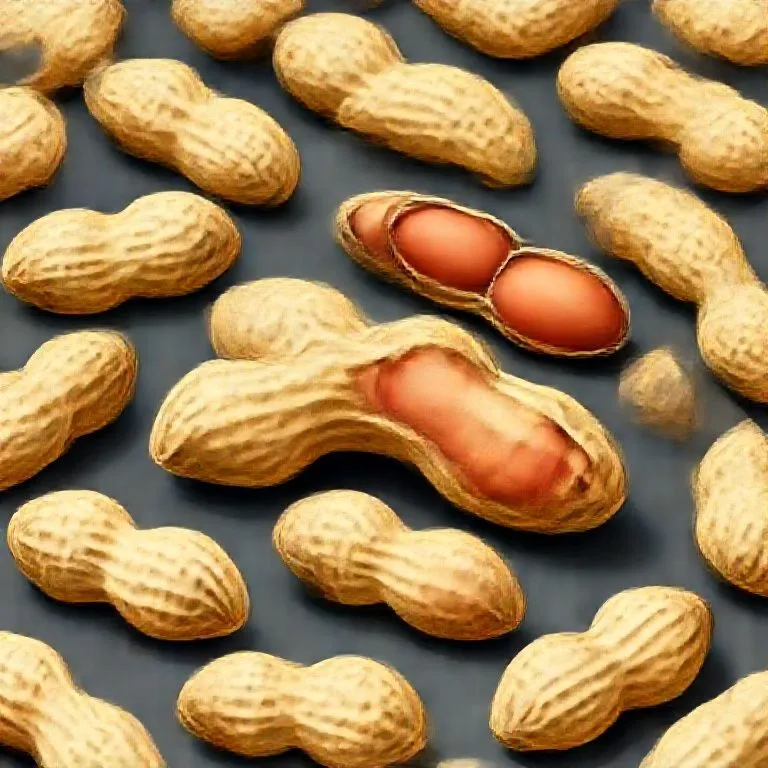
Peanut is an oil-rich legume seed from Arachis hypogaea, widely cultivated in warm climates for food and oil.
Description of what it is like
The seeds are oval and beige with a thin reddish skin. When roasted they become aromatic and crunchy, and they feel oily to the touch.
Origin and where to find it
- Environments: Tropical and subtropical fields with well-drained, sandy soils.
- Signs: Low bushy plants with yellow flowers; pods develop underground and contain 1–4 seeds.
- It is a cultivated crop that grows naturally in warm climates.
Minimum processing required
- Harvesting: Uproot plants when foliage yellows and pods are mature.
- Drying: Cure pods in shade with airflow to reduce moisture.
- Shelling: Remove the pods to access the seeds.
- Roasting or boiling: Optional for flavor and digestibility.
- Pressing: Crush and press for Vegetable Oil.
Tools needed to work on it
- Digging tools for harvesting.
- Drying racks or mats for curing.
- Containers for storage and transport.
- Hand Mill for peanut flour.
- Mechanical Press for oil extraction.
Common forms of use
- Roasted or boiled peanuts.
- Peanut paste and peanut flour.
- Peanut meal for animal feed.
- Oil for cooking and preservation.
Possible substitutes
- Other oilseeds and nuts.
- Animal Fat for cooking and soap making.
- Vegetable Oil from other crops.
Limitations and common failures
- Mold: Damp storage can lead to aflatoxin contamination.
- Rancidity: Oils oxidize if exposed to heat, light, or air.
- Pests: Rodents and insects are attracted to stored nuts.
Risks and safety
- Allergies: Peanut allergy can be severe.
- Choking hazard: Whole nuts can be dangerous for small children.
- Food safety: Spoiled or moldy peanuts should be discarded.
Related materials
- Vegetable Oil: Common product from peanuts.
- Animal Fat: Alternative fat source.
Properties
- Oil-rich
- Protein-rich
- Shelled
- Perishable if damp
Used for
- Food
- Oil extraction
- Flour
- Animal feed
- Soil improvement
Manufacturing / Process
Harvested from underground pods, dried, shelled, and optionally roasted or pressed for oil.