SyntheticGenerated with AI2 min read
Fiberglass
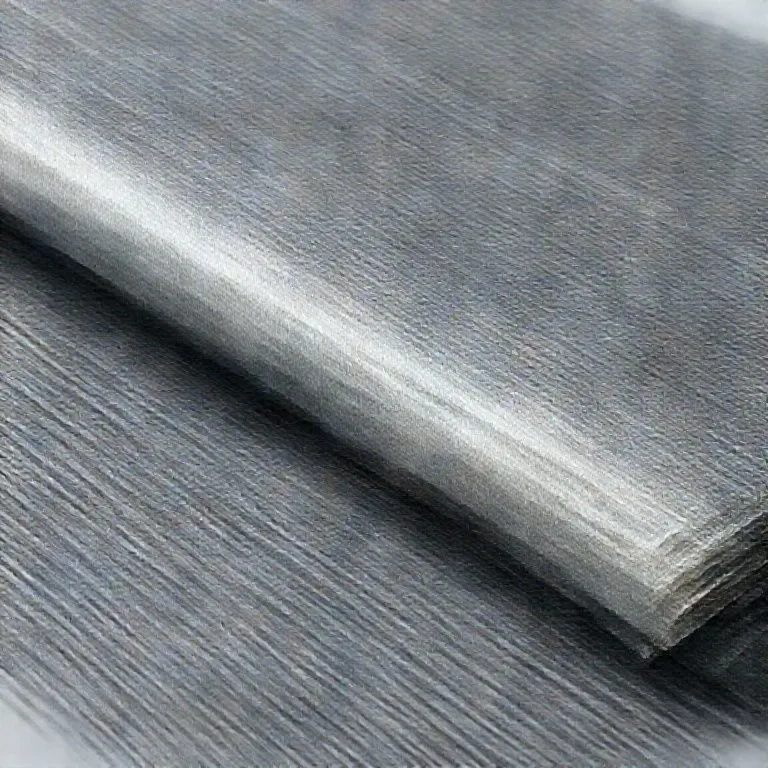
Fiberglass is a material consisting of numerous extremely fine fibers of glass. It is used as an insulating material and as a reinforcing agent for many polymer products (glass-reinforced plastic).
Description of what it is like
It appears as a pink, yellow, or white fluffy wool (insulation) or as woven mats and fabrics (reinforcement). It is lightweight but can be irritating to the skin.
Origin and where to find it
- Synthetic: Manufactured in industrial facilities.
- Source: Made from silica sand, limestone, soda ash, and recycled glass.
Minimum processing required
- Melting: Raw materials are melted at high temperatures (~1400°C).
- Extrusion/Spinning: Molten glass is spun into fibers.
- Binding: Fibers are coated with chemical binders to hold them together in batts or mats.
Tools needed to work on it
- Utility Knife: To cut insulation batts.
- Scissors/Shears: To cut fiberglass cloth.
- Resin application tools: Brushes and rollers (for GRP).
- PPE: Gloves, goggles, and respirators are mandatory.
Common forms of use
- Batts/Rolls: Fluffy insulation placed between wall studs.
- Loose-fill: Blown into attics.
- Composites: Layered with epoxy or polyester resin to make strong, light structures (boats, tanks).
Possible substitutes
- Mineral Wool: Stone wool, similar properties but higher melting point.
- Cellulose: Recycled paper insulation (flammable if not treated).
- Natural Fibers: Wool, hemp (less irritating, eco-friendly).
- Carbon Fiber: Stronger and lighter for reinforcement, but much more expensive.
Limitations and common failures
- Compression: Loses insulating value if compressed.
- Moisture: Can absorb water if not treated, reducing insulation.
- UV Degradation: Resin in composites can degrade in sunlight if not painted.
Risks and safety
- Irritation: Fibers cause severe skin, eye, and throat irritation. “Fiberglass itch”.
- Inhalation: Fine dust can damage lungs. Always wear a mask.
- Formaldehyde: Some binders release formaldehyde gas.
Related materials
- Glass: The raw material.
- Resin: The matrix for fiberglass composites.
- Thermal Insulation: Primary use.
Properties
- Thermal insulator
- Electrical insulator
- Fire resistant
- High tensile strength
- Rot resistant
Used for
- Building insulation
- Reinforced plastics (GRP)
- Circuit boards
- Pipes
- Boat hulls
Manufacturing / Process
Molten glass is extruded through very fine holes to create filaments.