Generated with AI2 min read
Electrolysis
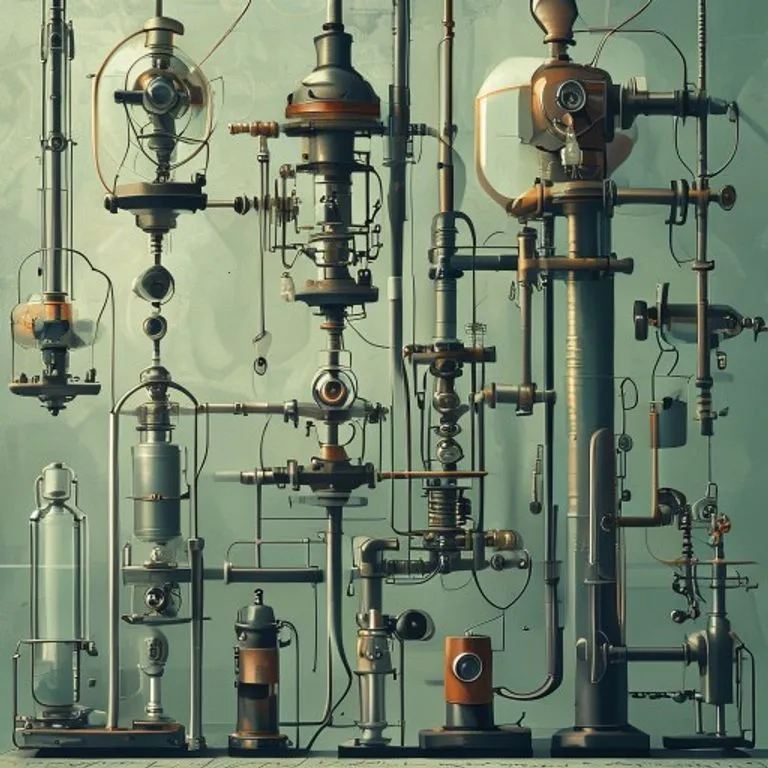
Brief description
Electrolysis is a process that uses direct electric current (DC) to drive an otherwise non-spontaneous chemical reaction. It allows for the separation of elements from naturally occurring compounds.
Use / Function
- Metal Extraction: Obtaining pure metals like Aluminum, sodium, and magnesium from their ores.
- Chemical Production: Manufacturing chlorine, caustic soda (Alkali Production), and hydrogen.
- Electroplating: Coating a metal object with a thin layer of another metal (e.g., gold or silver) for protection or decoration.
- Water Splitting: Breaking water into oxygen and hydrogen gas for fuel or industrial use.
Operating principle
Electrolysis works by passing an electric current through an electrolyte (a substance containing free ions):
- Setup: Two electrodes (anode and cathode) are placed in an electrolyte solution or molten salt.
- Ion Migration: When DC current is applied, positive ions (cations) move toward the negative electrode (cathode), and negative ions (anions) move toward the positive electrode (anode).
- Redox Reaction: At the electrodes, ions either gain or lose electrons, converting them into neutral atoms or new molecules.
How to create it
Minimum functional version
- Power Source: A Battery or Electric Generator providing direct current.
- Electrodes: Two conductive rods or plates (e.g., Graphite from pencils or copper wire).
- Electrolyte: A liquid that conducts electricity, such as salt water or water with a small amount of Sulfuric Acid.
- Container: A non-conductive vessel (glass or ceramic).
Technical level: Intermediate. Requires a steady source of electricity and basic chemical knowledge.
Materials needed
- Essential: Water, conductive electrodes (Copper, Graphite, or Iron), and a DC power source.
- Chemicals: Salt (sodium chloride), Simple Acids (as catalysts).
- Substitutes: Scrap metal for electrodes, lemon juice or vinegar as weak electrolytes.
Variants and improvements
- Hoffman Voltameter: A specialized apparatus for collecting hydrogen and oxygen gases separately.
- Industrial Cells: Large-scale tanks used for refining aluminum (Hall-Héroult process) or producing chlorine (Chlor-alkali process).
Limits and risks
- Electrical Risk: Danger of shock from high-current power sources.
- Explosive Gases: Hydrogen and oxygen produced together can be highly explosive if ignited.
- Toxic Byproducts: Electrolyzing salt water produces chlorine gas, which is highly toxic and corrosive.
- Corrosion: Electrodes can degrade quickly depending on the materials and chemicals used.