Generated with AI2 min read
Crop Rotation
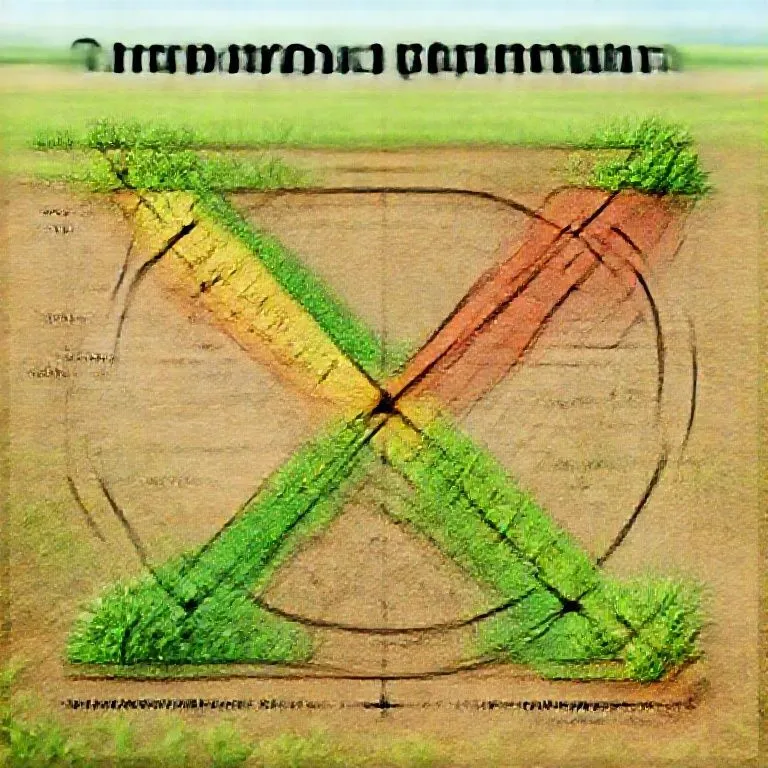
Brief description
Crop rotation is the planned sequence of different crops on the same field across seasons or years. It maintains soil fertility, disrupts pest cycles, and stabilizes yields without relying solely on external inputs.
Use / Function
- Soil health: Balances nutrient use and adds organic matter.
- Pest control: Breaks life cycles of insects, weeds, and diseases.
- Risk reduction: Spreads climate and market risk across multiple crops.
- Water efficiency: Improves structure and moisture retention over time.
Operating principle
Different crops draw and return nutrients at different rates. Deep-rooted plants loosen soil, legumes add nitrogen, and residues (like Straw) protect the surface. Rotating crops prevents pests from finding the same host repeatedly and reduces the buildup of soil-borne diseases.
How to create it
- Assess the field: Note soil type, slope, and water availability.
- Group crops: Separate heavy feeders, light feeders, and nitrogen-fixers.
- Plan a sequence: Alternate nutrient demand and rooting depth each season.
- Include recovery phases: Use fallow or cover crops when soil needs rest.
- Track results: Record yields and adjust the rotation each cycle.
Materials needed
- Essential: Seeds or cuttings, fertile soil, Water.
- Tools: Shovel or digging tools for bed preparation.
- Soil amendments: Ash or compost where available.
Variants and improvements
- Three-field rotation: Cereal, legume, fallow in a repeating cycle.
- Cover crops: Plant fast growers for mulch and erosion control.
- Intercropping: Mix crops in the same season to reduce pests.
- Irrigated rotation: Pair with Simple Irrigation for dry seasons.
Limits and risks
- Land constraints: Small plots limit rotation flexibility.
- Planning complexity: Poor sequencing can worsen nutrient gaps.
- Climate shocks: Drought or floods can disrupt the rotation.
- Residue pressure: Too much crop residue can harbor pests if unmanaged.