Generated with AI2 min read
Simple Irrigation
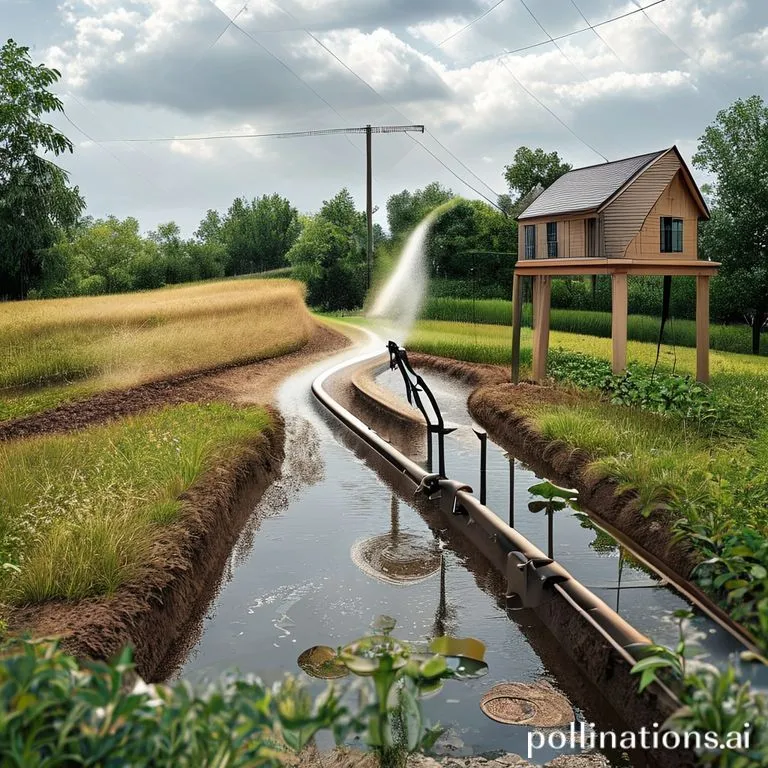
Brief description
Simple irrigation is the artificial application of water to land or soil to assist in the production of crops. It allows for agriculture in arid regions and increases crop yields by providing a consistent water supply regardless of immediate rainfall.
Use / Function
- Crop hydration: Ensures plants receive enough water during dry periods.
- Land expansion: Allows farming in areas previously too dry for cultivation.
- Frost protection: In some cases, water can help regulate soil temperature.
- Leaching: Can be used to wash away excess salts from the soil.
Operating principle
Irrigation works by diverting water from a source (river, lake, or well) and transporting it to the fields using gravity or mechanical force.
- Source: A reliable body of water.
- Conveyance: Channels, ditches, or pipes to move the water.
- Distribution: Method to spread the water across the soil surface (e.g., furrows or flooding).
How to create it
A basic irrigation system (surface irrigation) involves:
- Ditch digging: Creating small channels from a water source to the field.
- Gravity flow: Positioning the fields slightly lower than the water source to allow flow.
- Control gates: Using simple barriers (earth, stones, or wood) to open or close channels as needed.
Materials needed
- Essential: Water source, sloping land.
- Tools:
- Digging tools: Wooden or stone hoes and shovels.
- Barriers: Large stones, logs, or packed clay.
- Manual/Mechanical lifting: Shadoof (manual) or Noria (waterwheel-driven bucket system).
Variants and improvements
- Basin irrigation: Flooding a flat area surrounded by low walls (dykes).
- Furrow irrigation: Running water through small parallel channels between crop rows.
- Terracing: Creating level steps on hillsides to manage water flow and prevent erosion.
- Qanats: Underground tunnels to transport water from aquifers (ancient advanced method).
- Modern versions: Drip irrigation and central pivot sprinklers.
Limits and risks
- Salinization: Over-irrigation in hot climates can lead to salt buildup in the soil, eventually making it infertile.
- Water Rights: Diverting water can lead to conflicts with downstream users.
- Maintenance: Ditches and channels must be regularly cleared of silt and weeds.
- Disease: Standing water in irrigation ditches can become breeding grounds for mosquitoes and other parasites.