Generated with AI3 min read
Vapor-Compression Refrigeration
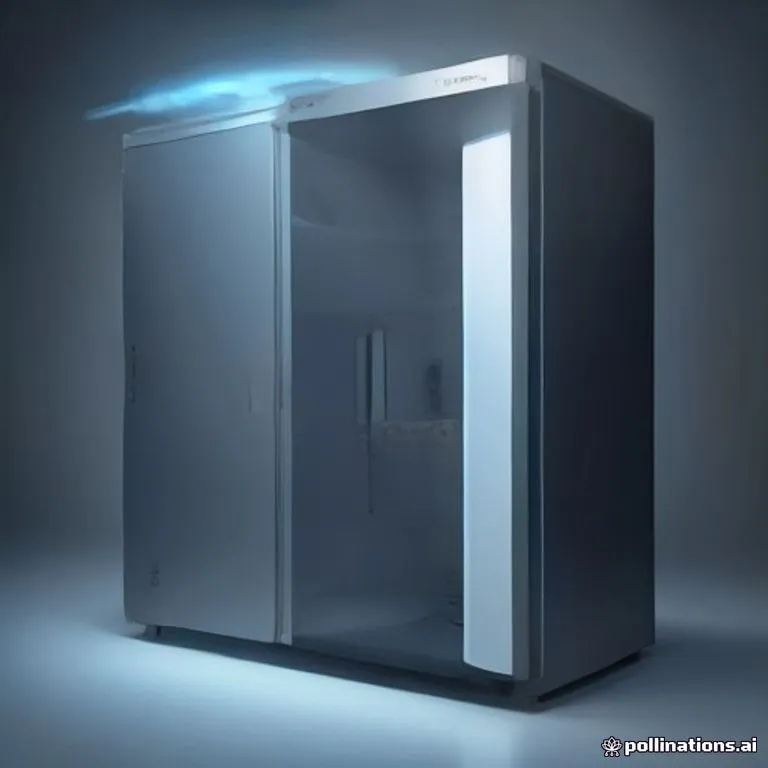
Brief description
Vapor-compression refrigeration is a thermodynamic cooling system that uses a circulating liquid refrigerant to absorb heat from an enclosed space and reject it to the outside environment through continuous evaporation and condensation cycles.
Use / Function
- Food and Produce Preservation: Prevents bacterial decay and extends the shelf life of perishable food, meat, and dairy products.
- Medical and Vaccine Cold Chain: Preserves vaccines, blood supplies, and temperature-sensitive pharmaceuticals.
- Air Conditioning: Provides thermal comfort and humidity control in residential, industrial, and medical buildings.
- Industrial Processing: Cools chemical reactors, food processing plants, and ice manufacturing facilities.
Operating principle
Vapor-compression refrigeration operates on a closed mechanical thermodynamic loop utilizing phase changes of a volatile refrigerant fluid:
- Evaporation: Low-pressure liquid refrigerant absorbs heat from the cold refrigerated space inside evaporator coils, boiling into a low-pressure gas.
- Compression: A mechanical compressor squeezes the gas refrigerant, raising its pressure and temperature significantly.
- Condensation: The hot, high-pressure gas passes through condenser coils outside the cold space, releasing heat to the ambient air and condensing back into a high-pressure liquid.
- Expansion: The liquid refrigerant passes through a narrow expansion valve or capillary tube, dropping its pressure and temperature before re-entering the evaporator coils.
How to create it
- Construct Coils: Form evaporator and condenser coil loops from high-thermal-conductivity Copper tubing.
- Build or Adapt a Compressor: Assemble a piston or rotary gas compressor driven by a steam engine, water wheel, or electric motor to compress the refrigerant vapor.
- Install Expansion Device: Fit a narrow metering expansion orifice or adjustable needle valve between the high-pressure condenser exit and low-pressure evaporator inlet.
- Charge with Refrigerant: Evacuate air from the closed loop and charge the system with a volatile refrigerant such as Ether, ammonia, or hydrocarbon gas.
Materials needed
- Tubing and Fittings: High-pressure Copper or Brass tubing and leak-tight connectors.
- Structural Frame: Steel or iron casing for mounting the compressor and heat exchanger assemblies.
- Refrigerant Fluid: Ether, anhydrous ammonia, sulfur dioxide, or propane.
- Insulation Material: Mineral wool, cork, or polyurethane foam to isolate the refrigerated box.
Variants and improvements
- Early Ether Machines: Compression systems built by James Harrison and Ferdinand Carré using volatile ethyl ether or ammonia for artificial ice making.
- Hermetic Sealed Units: Modern refrigerators with electric motors and compressors sealed inside welded steel shells to eliminate refrigerant leakage.
- Multi-Stage Compression: Uses intermediate cooling between multiple compression stages for ultra-low temperature industrial freezing.
Limits and risks
- Refrigerant Toxicity and Flammability: Early refrigerants like ammonia and sulfur dioxide are highly toxic; ether and propane are flammable and explosive upon leakage.
- High Mechanical Wear: Continuous mechanical operation of compressors requires reliable lubrication and tight machining tolerances.
- Thermal Losses: Poor cabinet insulation or leaky door seals lead to excessive energy consumption and rapid thermal rise.