Generated with AI3 min read
Simple fortification
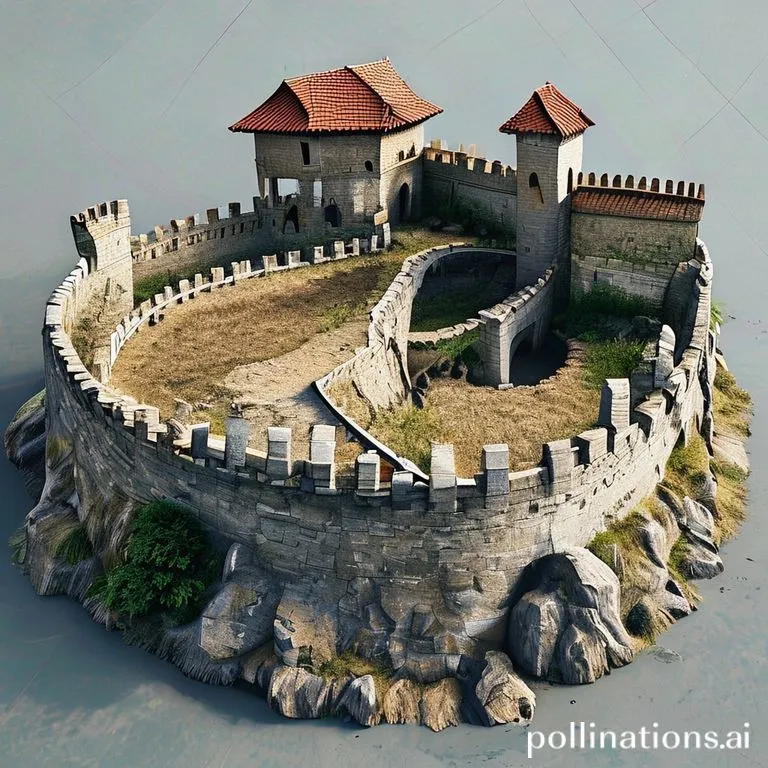
Made of
Brief description
Simple fortifications are enhanced defensive structures designed to protect a perimeter, settlement, or camp from external threats, such as predators or hostile raids. They represent a step up from basic shelter, focusing on security rather than just weather protection.
Use / Function
- Perimeter Defense: Create a physical barrier to stop or slow down intruders.
- Territory Control: Clearly define the boundaries of a safe zone.
- Observation: Provide elevated positions to spot threats from a distance.
- Scale: Settlement / Camp.
Operating principle
They rely on physical obstruction and tactical advantage.
- Obstruction: Walls, palisades, and ditches force attackers to stop or funnel into specific areas (choke points).
- Elevation: Watchtowers or raised platforms allow defenders to see further and attack from above with gravity on their side.
How to create it
- Site Selection: Choose high ground or an area with natural barriers (cliff, river).
- Perimeter Clearing: Clear brush and trees around the site to remove cover for attackers.
- Earthworks: Dig a trench or dry moat around the perimeter. Use the excavated earth to build a berm or raised bank behind the trench.
- Palisade: Drive sharpened logs into the top of the berm or directly into the ground, lashing them together for stability.
- Gates: Construct a reinforced gate that can be barred from the inside.
- Technical level: Intermediate.
Materials needed
- Essential:
- Logs/Timber: For palisades, gates, and towers.
- Earth/Stone: For berms, walls, and trench reinforcement.
- Tools:
- Shovel: For digging trenches and moving earth.
- Axe/Saw: For felling trees and sharpening logs.
- Hammer/Mallet: For driving posts.
- Substitutes:
- Thorny Bushes: Can be piled up to create a “boma” or defensive hedge.
- Stone Walls: Dry-stacked stones if wood is scarce.
Variants and improvements
- Wooden Palisade: A continuous wall of vertical logs.
- Earthwork/Rampart: A raised bank of earth, often topped with a palisade.
- Ditch/Moat: A trench aimed at breaking the charge of an attacker.
- Watchtower: A simple wooden tower for lookout purposes.
Limits and risks
- Fire: Wooden fortifications are vulnerable to fire.
- Maintenance: Wood rots and earth erodes; constant repair is needed.
- Siege: A static defense can become a trap if the defenders are surrounded and cut off from food/water.
- Blind Spots: Poorly designed walls can create areas where attackers can hide close to the perimeter.