Generated with AI2 min read
Radio
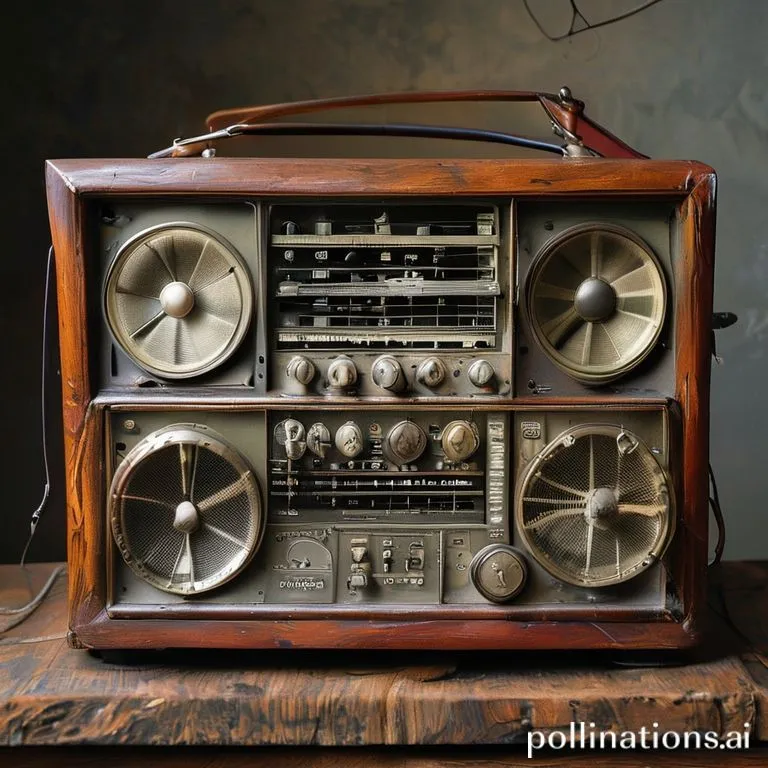
Brief description
A radio is a device capable of receiving electromagnetic waves (radio waves) and converting them into audible sounds or other types of information. It revolutionized long-distance communication and mass information dissemination.
Use / Function
- Communication: Transmission of news, alerts, and messages over long distances without wires.
- Entertainment: Broadcasting music and radio dramas.
- Navigation: Used in maritime and aerial navigation systems.
Operating principle
It operates on the principle of electromagnetic induction and resonance.
- Antenna: Intercepts radio waves, inducing a tiny electric current.
- Tuner (Resonance): A circuit (usually a coil and Capacitor) selects a specific frequency from the many waves hitting the antenna.
- Detector (Demodulation): Converts the alternating current of the radio wave into direct current (extracts the audio signal).
- Amplification: Increases the signal strength (using Vacuum Tubes or Transistors).
- Transducer: Converts the electrical signal back into sound (speaker or headphones).
How to create it
Simple Crystal Radio (Passive)
- Antenna: String a long insulated copper wire (15-30 meters) as high as possible.
- Ground: Connect a wire to a metal rod driven into the earth or a cold water pipe.
- Coil: Wind copper wire around a non-conductive cylinder (cardboard, PVC). Scrape insulation off a strip to allow a slider to make contact (for tuning).
- Detector: Use a galena crystal with a “cat’s whisker” wire or a germanium diode. Connect it in series with the coil.
- Audio: Connect high-impedance headphones across the detector output.
Materials needed
- Conductive Wire: Copper is best for antennas and coils.
- Insulators: Wood, glass, or plastic to support the antenna and coil.
- Semiconductor: Galena crystal, pyrite, or a manufactured diode.
- Membrane: Thin metal or paper for headphones/speakers.
Variants and improvements
- Crystal Radio: No power source needed, but weak sound (headphones only).
- Vacuum Tube Radio: Uses tubes to amplify signals; requires electricity but drives speakers.
- Transistor Radio: Portable, efficient, and durable; replaced tubes.
- Digital Radio: Uses digital signal processing for clearer audio.
Limits and risks
- Range: Depends on transmitter power, atmospheric conditions, and antenna height.
- Interference: Susceptible to static from lightning and electrical machinery.
- Power: Amplified radios require a reliable electricity source (batteries, mains).
Related Knowledge
- Morse Code: The standard language for early radio transmission.
- Basic Electronics: The foundational principles of radio circuits.